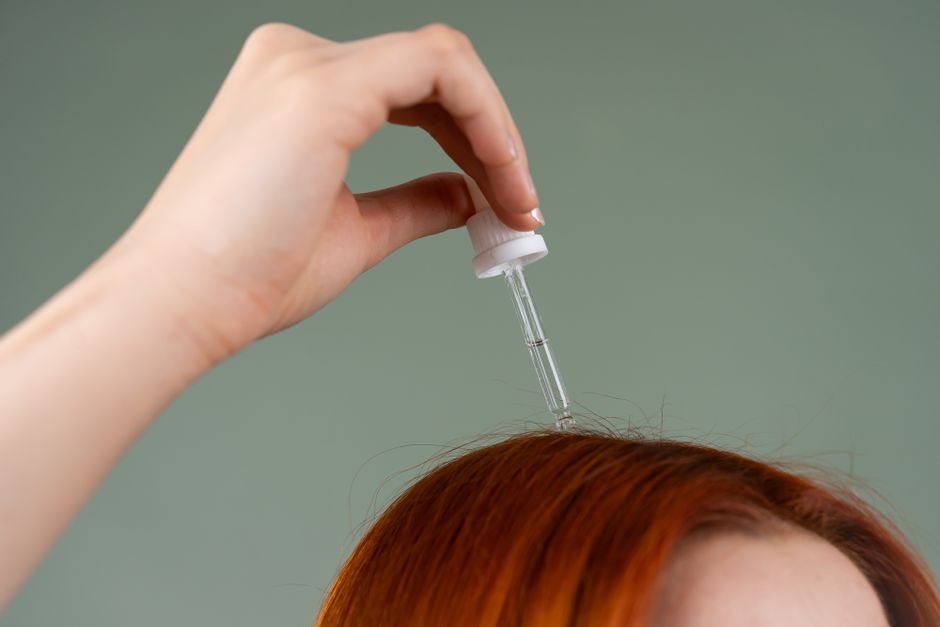
Cosmetic
Hair Transplant in Korea
Surgical transfer of hair follicles from a donor area to restore hair in thinning or bald regions of the scalp.
Quick Answer
- Hair transplant surgery moves healthy, genetically resistant hair follicles from a donor area (usually the back and sides of the scalp) to thinning or bald recipient areas, where they establish permanent growth.
- The Korea stay is approximately 5 days: the procedure is performed in one day (typically 6–10 hours) under local anaesthesia, and the clinic reviews healing before you fly.
At a Glance
| Procedure time | 6–10 hours (depending on graft number) |
|---|---|
| Anesthesia | Local anaesthesia (scalp); no general anaesthesia required |
| Hospital stay | Day procedure — no overnight stay usually required |
| Recommended stay in Korea | 5 days (procedure + healing check before flight) |
| Recovery | Grafts shed at 2–8 weeks; new growth visible from ~3–4 months; full result at 12–18 months |
Overview
Hair transplant surgery moves hair follicles from areas of permanent growth — typically the back and sides of the scalp — to regions affected by hair loss.
Patients from Africa, the Middle East, and Southeast Asia choose Korea for hair restoration because accredited clinics combine experienced surgical teams, modern extraction techniques, and competitive pricing with dedicated international-patient support.
The transplanted follicles come from the permanent donor zone — a band of scalp where follicles are genetically resistant to dihydrotestosterone (DHT), the hormone responsible for androgenetic hair loss. Because these follicles retain their genetic programming when moved, they continue to grow permanently in the new location.
Two main techniques are used:
- FUE (follicular unit extraction): individual follicular units are extracted one by one from the donor area using a small punch device, leaving tiny, scattered scars that are virtually invisible once healed. This is the most commonly offered technique for international patients.
- FUT (strip/follicular unit transplantation): a strip of scalp is removed from the donor area, divided into follicular units under magnification, and transplanted. Leaves a linear scar but allows a large number of grafts in one session and preserves follicles well.
Choice of technique depends on the number of grafts needed, donor hair characteristics, and your preference about scarring.
Ask the hospital whether its team can review your photographs or scans before you travel, and how long a stay it recommends.
Am I a Candidate?
You may be a candidate for hair transplant if you have:
- Androgenetic alopecia (pattern hair loss) — male or female pattern — that is stable (not rapidly progressing)
- Adequate donor hair density at the back and sides of the scalp — the donor zone must have enough follicles to provide meaningful coverage without excessive thinning of the donor area
- Realistic expectations about coverage: the number of grafts available is finite, and a very large bald area may require staged sessions or a plan that prioritises the frontal zone
- Good general health for a long local-anaesthesia procedure
Conditions that affect candidacy:
- Diffuse alopecia or extensive donor thinning: if the donor zone itself is thinning, there may not be enough permanent follicles to donate
- Alopecia areata or scarring alopecia: these are usually not suitable for standard hair transplant — the underlying condition must be stable and managed
- Age and progression: very young patients with rapidly progressing loss may not yet know the full extent of the area that will require coverage
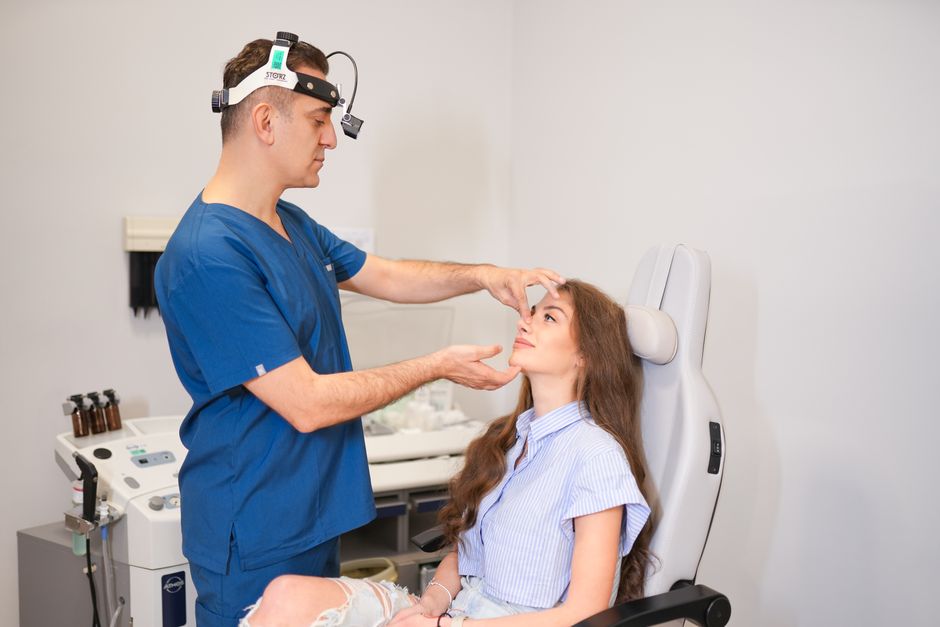
A pre-travel video consultation with clear scalp photographs (top, front hairline, donor area) allows the clinic to assess density and design a graft plan before you travel.
How the Procedure Works
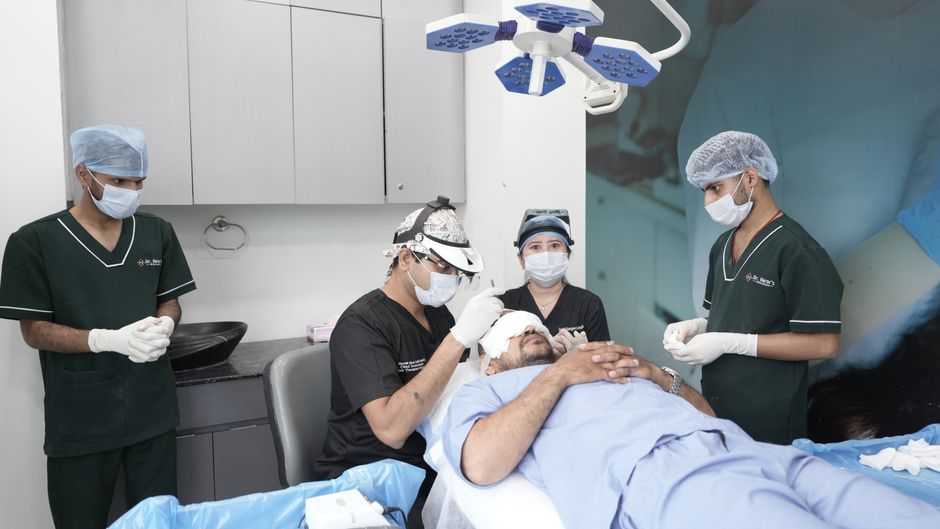
Hair transplant is performed under local anaesthesia applied to the scalp; you remain awake throughout and can rest, listen to music, or watch content during the long procedure.
Design and marking: The surgeon designs the new hairline and recipient areas based on your existing hair pattern, facial proportions, and the number of grafts available. This is discussed and agreed before surgery begins.
Donor extraction — FUE: The donor area is shaved and local anaesthetic applied. A small motorised or manual punch device extracts individual follicular units — each containing 1–4 hairs — one by one. Extracted grafts are placed in a chilled holding solution.
Donor extraction — FUT (if chosen): A strip of scalp is removed from the donor zone. The wound is closed with sutures (linear scar). The strip is divided under magnification into individual follicular units.
Recipient site preparation: The surgeon creates thousands of small incisions in the recipient area at the correct angle, direction, and density. This step determines the naturalness of the result.
Graft placement: Technicians or the surgeon place each graft into a prepared site. Care is taken to match natural hair direction and avoid damaging existing hair.
After the procedure: The scalp is gently washed, and you receive instructions on washing and care for the first 10–14 days. A follow-up check is typically scheduled the next morning before you leave for home.
Recovery Timeline
Hair transplant recovery involves two phases: wound healing in the first weeks, and the hair growth cycle over the following year.
Days 1–3:
- Scalp may be swollen, tender, or crusty — expected and normal
- Small scabs form around each graft site
- Sleep with the head slightly elevated
- Avoid touching, rubbing, or scratching the recipient area
- Follow the clinic's washing protocol precisely — usually a very gentle rinse from Day 2 or 3
Days 3–5 (pre-departure):
- Clinic reviews the recipient area and donor healing before you fly
- Most patients are cleared to fly after the early healing check
- Wear a loose hat for sun and dust protection during travel
Weeks 2–8 (shedding phase):
- The transplanted hairs shed — this is normal and expected; the follicles remain in the scalp
- Do not be alarmed by shedding; it does not mean the transplant has failed
Months 3–4:
- New hair growth begins emerging from the transplanted follicles
- Growth is initially fine and may be slightly wavy before settling
Months 6–12:
- Increasing density and thickness as the hairs mature
Month 12–18:
- Full result is assessable; the transplanted hairs are now growing permanently
- If a second session is needed to add density, it is planned at this stage

Cost
Costs vary by hospital and case. Ask the hospital for a written, itemised estimate before you decide.
Why Korea
Korea has a well-developed hair restoration sector, with clinics serving both domestic and international patients. Korean dermatological and plastic surgery training programmes contribute to experienced scalp surgical teams, and the competitive clinic market has driven quality and value.
Accreditation and oversight:
- KOIHA (Korean Organisation for International Healthcare Accreditation) sets quality and patient-safety benchmarks for clinics treating international patients
- KHIDI's Medical Korea programme supports foreign patient access to accredited facilities
Clinical approach: Accredited Korean clinics offer FUE and FUT performed by surgeon-led teams with experienced technicians for graft handling and placement. Some clinics offer advanced techniques such as direct hair implantation (DHI) or sapphire blade recipient-site creation.
Hairline design is a particular focus — Korean aesthetic sensibilities emphasise natural-looking, age-appropriate designs.
International patient infrastructure: Dedicated international patient coordinators provide photo-based pre-consultation, scheduling, and post-procedure follow-up by video call to monitor early healing.
Ask the hospital whether its team can review your photographs or scans before you travel, and how long a stay it recommends.
Key Takeaways
- Hair transplant moves genetically DHT-resistant follicles from the donor zone to bald areas, where they grow permanently; FUE (individual extraction) is the most common technique for international patients and leaves no linear scar.
- The transplanted hairs shed at 2–8 weeks after surgery — this is normal; new growth emerges from 3–4 months, with the full result visible at 12–18 months.
- Korean clinics accredited under KOIHA combine experienced surgeon-led teams, modern extraction techniques, and competitive pricing with dedicated international patient support.
Frequently Asked Questions
Is the result permanent?
Yes. The transplanted follicles come from the permanent donor zone at the back and sides of the scalp, where follicles are genetically resistant to DHT, the hormone that causes androgenetic hair loss. Once moved, they keep that programming and grow permanently. However, a transplant does not stop natural hair loss elsewhere, so untransplanted hair around the zone may keep thinning over time. Medical treatments such as Minoxidil or finasteride are often recommended alongside a transplant to slow ongoing loss.
What is the difference between FUE and FUT?
FUE (follicular unit extraction) removes individual follicular units one by one with a small punch, leaving scattered scars that are virtually invisible once healed and letting you wear hair short. FUT (follicular unit transplantation) removes a strip of donor scalp, then divides it under magnification into follicular units; it leaves a linear scar but yields many grafts in one session and can protect follicle integrity during extraction. The choice depends on graft number, scalp laxity, scarring preference, and clinic expertise.
How many grafts do I need?
The number of grafts depends on the size of the bald or thinning area, the density you want, and your donor supply. A typical frontal restoration may need 1,500–3,000 grafts; adding the crown usually needs more. A pre-travel photo consultation lets the surgeon estimate a graft count from your Norwood or Ludwig classification and scalp photos. The donor zone is finite, so very extensive loss may require staged sessions or a plan prioritising the most visible areas.
What happens during the shedding phase and when will I see results?
After a transplant, most transplanted hairs enter a shedding phase within 2–8 weeks. The hairs fall out while the follicles stay in the scalp in a dormant phase; this is normal and expected, not a sign of failure. New growth begins around 3–4 months. By 6–9 months, meaningful density is usually visible. The full result, with mature, thickened hairs, is assessable at 12–18 months after surgery.
Can I fly home a few days after the procedure?
Yes. Hair transplant is an outpatient procedure under local anesthesia, and most patients fly home within 4–5 days. The clinic reviews the scalp the morning after surgery. Flying within 24–48 hours is not recommended, because scalp swelling and graft vulnerability peak then and cabin pressure changes may affect healing. By Day 4–5, once the first scabs form and the clinic confirms the graft sites, most patients are cleared to travel. Follow the clinic's washing instructions and avoid touching the grafts.
Related Topics
Researching Care in Korea?
KmedTour is an information resource only. Contact hospitals directly, or find a hospital registered to treat foreign patients on the Medical Korea portal.
Quick Facts
Cost
Ask the hospital for a written estimate
Duration
5 days
Korean Hospitals
2+ Available
Hospitals offering Hair Transplant
Medical Information Disclaimer
The information provided on this page about Hair Transplant is for general educational and informational purposes only. It is not intended as, and should not be construed as, medical advice, diagnosis, or treatment recommendations.
Always seek the advice of a qualified healthcare professional regarding any medical condition or treatment. Never disregard professional medical advice or delay seeking it because of information found on this website. Individual treatment outcomes may vary. Costs shown are estimates and may differ based on individual circumstances.
KmedTour is an independent information platform. It is not a medical provider or a registered foreign patient attraction agency, and it does not book treatment, take payment for treatment, or receive per-patient fees from hospitals. Treatment is arranged and paid for directly between you and the hospital.