Preventive
Comprehensive Health Screening in Korea
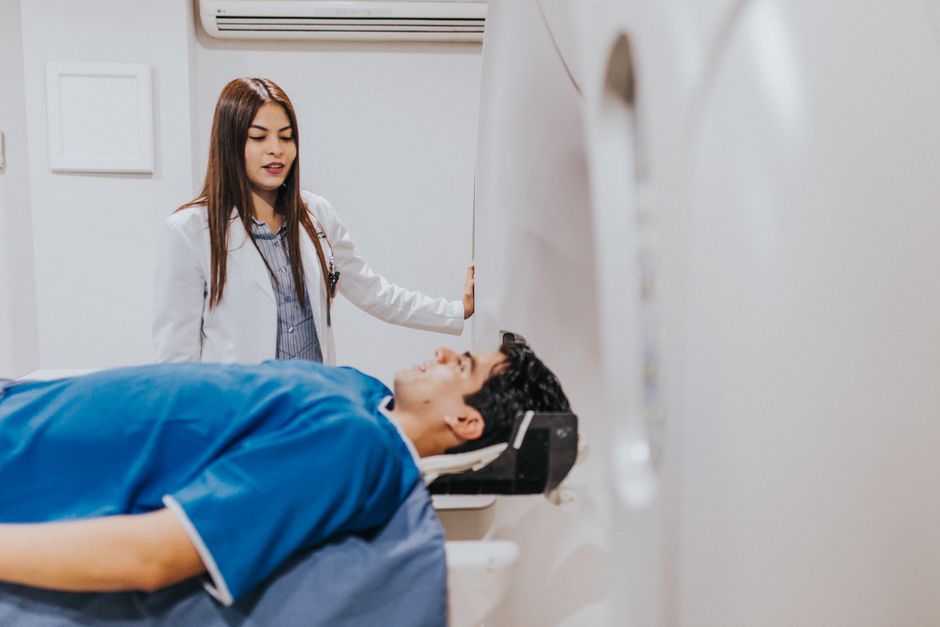
Comprehensive executive health checkup detecting disease early with full-body imaging, lab work, and specialist review.
Quick Answer
- Comprehensive health screening in Korea is a structured one- or two-day programme of blood tests, imaging (endoscopy, CT, MRI, ultrasound), cardiac assessment, cancer markers, and specialist consultations — designed to detect disease at an early, treatable stage.
- Suitable for anyone aged 30 and over wanting a thorough baseline assessment, those with risk factors for common chronic diseases, or professionals seeking an in-depth annual review unavailable at home.
- The programme takes 1–2 days in a dedicated health screening centre; results are reviewed by specialists and provided in a comprehensive report before you leave, often the same day or the next morning.
At a Glance
| Programme duration | 1–2 days |
|---|---|
| Recommended Korea stay | 2–3 days (to allow results review) |
| Fasting required | Yes — typically 8–12 hours before the programme |
| Results delivery | Written report same day or following morning; specialist review included |
| Key components | Bloods, imaging (CT/MRI/ultrasound), endoscopy, cardiac assessment, cancer markers |
Overview
Comprehensive health screening in Korea is a structured assessment programme delivered in a dedicated screening centre, combining laboratory tests, full-body imaging, endoscopy, cardiac tests, and specialist review within one or two days.
Depth is the draw. Patients from Africa, the Middle East, and Southeast Asia travel to Korea for screening because accredited centers offer assessments (including upper and lower endoscopy, low-dose CT, and MRI) not routinely available in a single appointment at home.
Results are reviewed by specialists and delivered before you leave.
Check each hospital's accreditation (KOIHA/KAHF) yourself and compare options before you contact one.

Am I a Candidate?
Ask the hospital's international patient centre what it coordinates, from pre-arrival review to a written handover for your home doctors.
How the Procedure Works
A standard comprehensive health screening programme is delivered across one to two days in a dedicated screening centre.
Before the programme:
- Fasting for 8–12 hours before the start — water is permitted
- Arrive at the scheduled time; a coordinator guides you through each station
Day 1 — morning (core testing):
- Blood draw and urine sample — full panels processed in the centre laboratory
- Blood pressure, height, weight, BMI, body composition
- Vision and hearing tests
- Resting ECG — cardiac rhythm assessment
- Chest X-ray or low-dose chest CT
- Abdominal ultrasound — liver, gallbladder, kidneys, pancreas, spleen
- Upper endoscopy (gastroscopy) under light sedation — stomach and duodenum
- Bone density (DEXA)
Day 1 — afternoon (tier-dependent add-ons):
- Colonoscopy (requires bowel prep the day before — confirm with centre)
- Echocardiogram or exercise treadmill test
- Mammography and pelvic ultrasound (women)
- Prostate ultrasound (men)
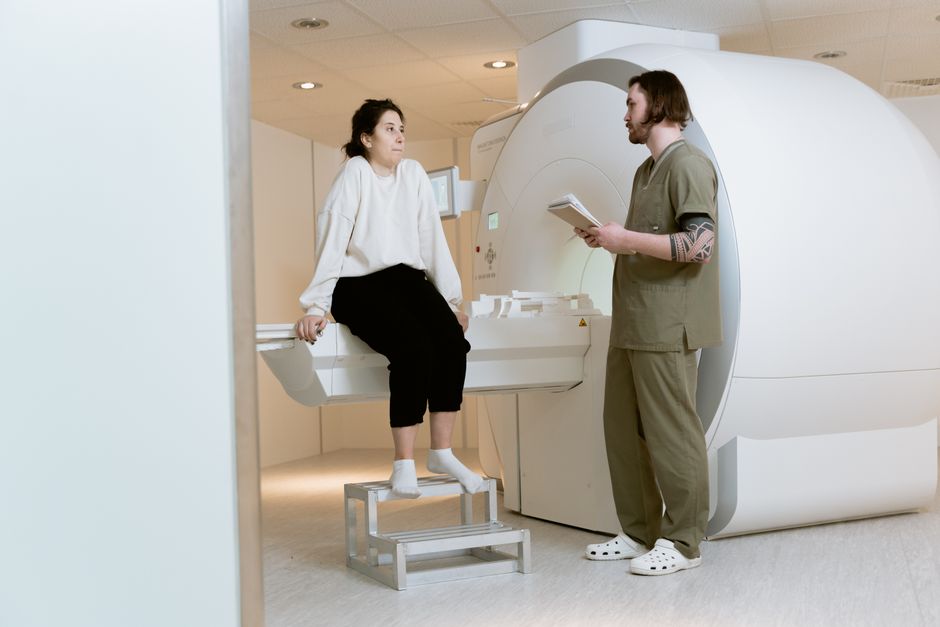
- MRI brain, abdomen, or other region
Results review:
- Laboratory results are typically available the same afternoon or morning of Day 2
- A specialist physician reviews all findings with you in a consultation
- You receive a written, structured health report to take home
Recovery Timeline
Health screening does not involve surgery and requires no physical recovery. However, some components have specific post-procedure considerations.
After upper endoscopy (gastroscopy):
- Light sedation is used; you should not drive for the rest of the day
- Mild throat discomfort or bloating may follow; resolves quickly
- Eating resumes a short time after the procedure
After colonoscopy (if included):
- Sedation is used; do not drive for the rest of the day
- Bloating from the air used during the procedure is common and resolves within hours
- Normal diet resumes the same day
After the screening programme:
- Await the specialist results review (same day or morning of Day 2)
- Review your written report with the specialist; ask about any abnormal results, recommended follow-up, or referrals
- KmedTour coordinates translation of the report and, if needed, warm handover to a specialist in Korea or recommendations for follow-up at home
Planning your Korea stay:
- Allow 2–3 days in Korea to ensure you receive and review all results before flying home
- If a finding requires urgent follow-up — such as a biopsy of a suspicious gastric lesion — the centre can usually arrange this within your stay

Cost
Costs vary by hospital and case. Ask the hospital for a written, itemised estimate before you decide.
Why Korea
Korea has a strong national screening culture, with the government running its own health screening programme for insured residents. This has created a large, experienced sector of dedicated health screening centres with high throughput and standardised protocols.
Accreditation and oversight:
- KOIHA (Korean Organisation for International Healthcare Accreditation) sets quality benchmarks for centres treating international patients
- KHIDI's Medical Korea programme supports foreign patient access
Clinical approach: Dedicated health screening centres in Korea handle high volumes of comprehensive programmes efficiently, combining laboratory, imaging, endoscopy, and specialist review in one facility and one or two days — a model less common in many other healthcare systems.
Early detection of gastric cancer — which is more common in Korean and East Asian populations and for which Korea has well-established screening protocols — is a particular strength.
International patient infrastructure: Accredited centres have international patient departments with interpreter services, English-language reports, and dedicated coordinators who guide you through the programme and arrange results review consultations.
Check each hospital's accreditation (KOIHA/KAHF) yourself and compare options before you contact one.
Key Takeaways
- Korean health screening centres deliver blood work, imaging (CT, MRI, ultrasound), upper and lower endoscopy, cardiac assessment, and specialist results review within one or two days — a depth of assessment rarely available in a single appointment elsewhere.
- Allow 2–3 days in Korea to complete the programme and receive a full specialist results review before flying home.
- Korea's well-developed national screening culture has produced high-volume, efficient screening centres accredited under KOIHA with dedicated international patient coordinators.
Frequently Asked Questions
Do I need to fast before health screening?
Yes. Most health screening programs require fasting for 8–12 hours before the start to ensure accurate blood glucose, lipid, and liver enzyme results and to allow endoscopy with a clear stomach. Water is typically permitted, and some centers allow a little plain water with essential medications. You will receive specific fasting instructions when your appointment is confirmed. If colonoscopy is included, a bowel-preparation regimen is required the day before, and the center will provide instructions.
What happens if the screening finds something abnormal?
Abnormal findings are discussed during the specialist results review, on the same day or the morning of Day 2. Minor findings, such as a small cyst, high cholesterol, or a removed polyp, are explained and included in your report with follow-up recommendations. Significant findings needing further investigation, such as a suspicious gastric lesion requiring biopsy or a cardiac abnormality, can often be addressed within your Korea stay if arranged promptly. Ask the hospital whether it arranges a warm handover to your home doctor and, if needed, same-trip follow-up.
Is colonoscopy included in all packages?
Colonoscopy is usually included from the comprehensive tier upward, not in basic packages. It requires bowel preparation the day before, is performed under sedation, and adds meaningful value for colorectal cancer risk assessment — particularly from age 45 onward, or earlier with a family history. Upper endoscopy (gastroscopy) is included in most tiers. If colonoscopy is important to you, confirm it is in your chosen package before committing.
Can I get an MRI during the screening?
MRI is included in premium tier packages and is available as a paid add-on in lower tiers. Brain MRI, abdominal MRI, and musculoskeletal MRI are the most commonly offered. MRI adds time to the programme (typically 45–90 minutes per region) and cost. If you have specific concerns - unexplained headaches, a family history of aneurysm, joint pain - ask the screening centre which MRI sequences are appropriate before you choose a package.
How do I share the results with my doctor at home?
You will receive a structured written report — typically in English for international patients at accredited centres — covering every test performed, flagging abnormal values, and including specialist interpretation and follow-up recommendations. Ask the hospital whether it can translate findings and provide a formal handover letter to your home physician summarising the key findings. The report is designed to be useful to a doctor who was not present at the screening.
Related Topics
Researching Care in Korea?
KmedTour is an information resource only. Contact hospitals directly, or find a hospital registered to treat foreign patients on the Medical Korea portal.
Quick Facts
Cost
Ask the hospital for a written estimate
Duration
2 days
Korean Hospitals
4+ Available
Hospitals offering Comprehensive Health Screening
Available Cities
Medical Information Disclaimer
The information provided on this page about Comprehensive Health Screening is for general educational and informational purposes only. It is not intended as, and should not be construed as, medical advice, diagnosis, or treatment recommendations.
Always seek the advice of a qualified healthcare professional regarding any medical condition or treatment. Never disregard professional medical advice or delay seeking it because of information found on this website. Individual treatment outcomes may vary. Costs shown are estimates and may differ based on individual circumstances.
KmedTour is an independent information platform. It is not a medical provider or a registered foreign patient attraction agency, and it does not book treatment, take payment for treatment, or receive per-patient fees from hospitals. Treatment is arranged and paid for directly between you and the hospital.