ENT
Tonsillectomy in Korea
Surgical removal of the tonsils in South Korea to treat recurrent throat infections, chronic tonsillitis, and obstructive sleep apnea.
Quick Answer
- A tonsillectomy removes both palatine tonsils, most often for recurrent tonsillitis or sleep-disordered breathing that has not responded to other treatment.
- Korean ENT centers offer modern techniques including coblation (low-temperature radiofrequency) and electrocautery, performed under general anesthesia.
- Plan to stay in Korea roughly 2–3 weeks so surgeons can review healing and clear you before the long flight home.
At a Glance
| Procedure time | About 30–60 minutes |
|---|---|
| Anesthesia | General anesthesia |
| Hospital stay | Day case or 1 night, depending on age and technique |
| Recommended stay in Korea | Approximately 2–3 weeks |
| Recovery | Throat soreness for about 10–14 days; coblation often heals on the shorter side |
Overview
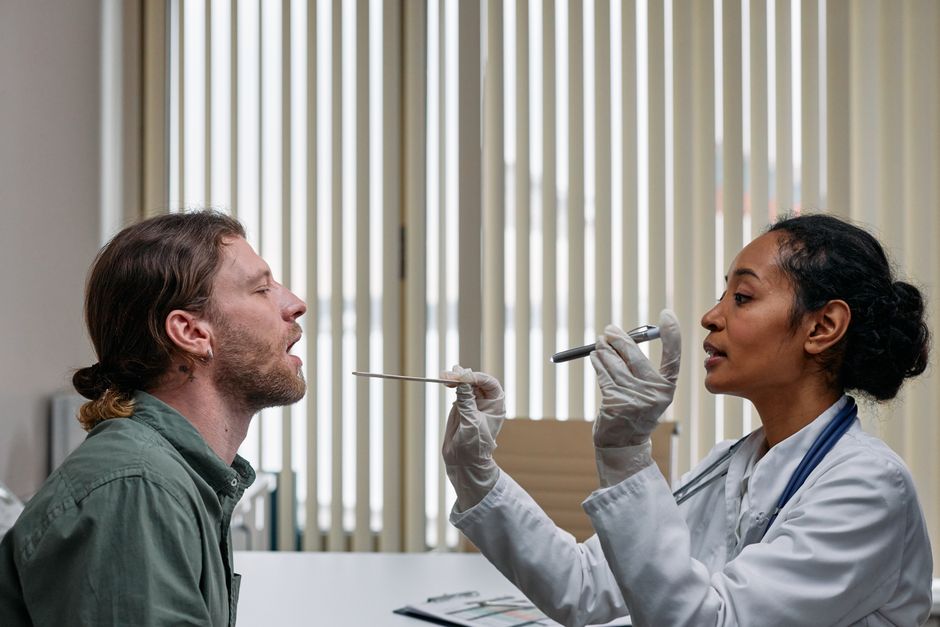
A tonsillectomy is the surgical removal of the two palatine tonsils at the back of the throat. It is one of the most established ear, nose, and throat (ENT) operations worldwide.
In South Korea, otolaryngology departments in Seoul and the Gangnam district perform the surgery for both children and adults, frequently for international patients who travel for unhurried scheduling and modern surgical tools.
The goal is to stop repeated throat infections or to open the upper airway when enlarged tonsils block breathing during sleep. The tonsils are part of the immune system, but the body has other lymphoid tissue, so removal in appropriate candidates does not leave a meaningful immune gap.
Korean ENT surgeons offer several removal methods, including coblation (low-temperature radiofrequency dissection) and electrocautery, and will recommend an approach based on your age, anatomy, and reason for surgery.
Do not fly straight home
Build in about 2–3 weeks in Korea so the ENT team can confirm the tonsil beds are healing before you take a long flight. Bleeding risk can persist into the second week of recovery.
Confirm the hospital is KHIDI-registered
Only institutions registered with KHIDI under Korea's Ministry of Health and Welfare may legally treat international patients. Verify registration before paying any deposit.
Am I a Candidate?
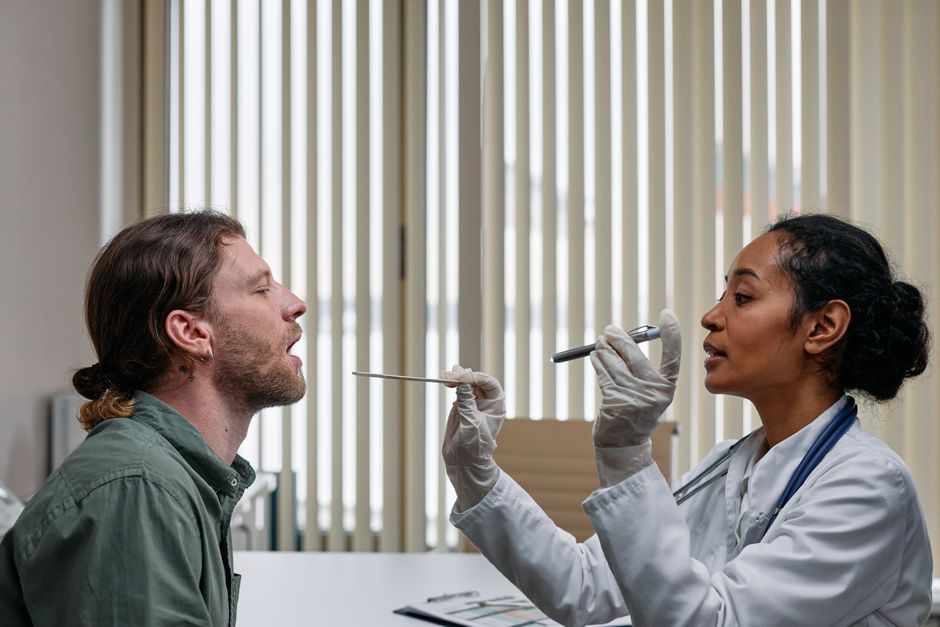
A tonsillectomy is considered when symptoms are frequent, severe, or affect sleep and quality of life. An ENT specialist confirms candidacy after examining the throat and reviewing your history.
Common reasons to consider surgery:
- Recurrent tonsillitis — several documented throat infections per year over one or more years
- Chronic tonsillitis that does not settle with antibiotics or conservative care
- Obstructive sleep apnea or loud snoring caused by enlarged tonsils, especially in children
- Peritonsillar abscess (quinsy) that keeps returning
- Difficulty swallowing or persistent bad breath linked to large or stone-forming tonsils
You may not be a candidate if you have an active throat infection on the planned surgery date, an untreated bleeding disorder, or other conditions that make general anesthesia unsafe.
Because this is elective surgery requiring travel, share your full medical history, medications, and any clotting concerns with the Korean team well before booking.
How the Procedure Works
Tonsillectomy in Korea is performed in an operating theatre under general anesthesia, so you are fully asleep and feel nothing during the operation.
Typical steps:
- The anesthesia team confirms your details and places you under general anesthesia.
- A small mouth retractor holds the mouth open; no external skin incisions are made.
- The surgeon removes each tonsil from its capsule using the chosen method — for example coblation, which uses radiofrequency energy at a relatively low temperature, or electrocautery.
- Bleeding points are sealed, and the tonsil beds are checked before you are woken.
The operation itself usually takes about 30 to 60 minutes. You then recover in a monitored area as the anesthesia wears off.
Many patients go home the same day, while some stay one night for observation. Your surgeon decides based on your age, the technique used, and how you tolerate eating and drinking afterward.

Recovery Timeline
Recovery is gradual, and a sore throat is expected for one to two weeks. Following the team's pain-control and hydration advice closely makes the period far easier.
General phases:
- Days 1–3 — Throat and sometimes ear pain peak; cool fluids and soft foods are encouraged. Swallowing regularly, even when it hurts, helps healing.
- Days 4–10 — White patches form over the tonsil beds as they heal; this is normal, not infection. Pain may briefly worsen mid-recovery.
- Around 2 weeks — Most adults feel close to normal and return to routine activity; coblation patients often reach this point on the earlier side.
Stay well hydrated, avoid hard or scratchy foods, and skip strenuous exercise until cleared. Seek urgent care for any significant bleeding from the mouth, high fever, or inability to drink.
Planning to remain in Korea for a post-operative check before flying lets the surgeon confirm the tonsil beds are healing safely.

Cost
Costs vary by hospital and case. Ask the hospital for a written, itemised estimate before you decide.
Why Korea
South Korea has built a structured medical-tourism system, and ENT care is part of it. The country welcomes large numbers of foreign patients each year, supported by government bodies that set standards for treating international patients.
Reasons international travelers consider Korea:
- Concentrated ENT expertise in Seoul and the Gangnam district, including university and tertiary hospitals with high surgical volumes
- Modern techniques such as coblation and electrocautery available side by side
- Regulated international care — only institutions registered with the Korea Health Industry Development Institute (KHIDI) under the Ministry of Health and Welfare may legally treat foreign patients
- Drug and device oversight by the Ministry of Food and Drug Safety (MFDS)
- Dedicated international patient centers offering interpretation, airport support, and accommodation help
Verify that any hospital or facilitator you use is a KHIDI-registered foreign-patient-attracting institution before paying deposits.
Key Takeaways
- Tonsillectomy in Korea treats recurrent or chronic tonsillitis and tonsil-related sleep-disordered breathing, using modern methods such as coblation and electrocautery under general anesthesia.
Frequently Asked Questions
Is a tonsillectomy painful, and how long does the sore throat last?
Expect a sore throat for about one to two weeks. Pain often peaks in the first few days and can briefly worsen mid-recovery as the area heals. Staying hydrated, taking prescribed pain relief, and eating soft foods make this period much more manageable.
How long should I stay in Korea for a tonsillectomy?
Plan for roughly two to three weeks. This covers the consultation, surgery, the early high-risk healing window, and at least one post-operative check so the ENT surgeon can confirm the tonsil beds are healing before you take a long flight home.
What technique will the surgeon use?
Korean ENT surgeons commonly use coblation, a low-temperature radiofrequency method, or electrocautery. The choice depends on your age, anatomy, and the reason for surgery. Coblation is often associated with shorter healing time, and your surgeon will explain which approach suits you.
Will removing my tonsils weaken my immune system?
The tonsils are part of the immune system, but the body has other lymphoid tissue that continues to function. For appropriate candidates whose tonsils cause repeated infection or block the airway, surgeons generally consider removal a reasonable trade-off. Discuss your specific situation with the ENT team.
How much does a tonsillectomy cost in Korea?
Always request a written, itemized quote and confirm whether anesthesia, the hospital stay, medication, and follow-up are included.
Related Topics
Sources
Researching Care in Korea?
KmedTour is an information resource only. Contact hospitals directly, or find a hospital registered to treat foreign patients on the Medical Korea portal.
Quick Facts
Cost
Ask the hospital for a written estimate
Duration
3 days
Korean Hospitals
2+ Available
Hospitals offering Tonsillectomy
Available Cities
Medical Information Disclaimer
The information provided on this page about Tonsillectomy is for general educational and informational purposes only. It is not intended as, and should not be construed as, medical advice, diagnosis, or treatment recommendations.
Always seek the advice of a qualified healthcare professional regarding any medical condition or treatment. Never disregard professional medical advice or delay seeking it because of information found on this website. Individual treatment outcomes may vary. Costs shown are estimates and may differ based on individual circumstances.
KmedTour is an independent information platform. It is not a medical provider or a registered foreign patient attraction agency, and it does not book treatment, take payment for treatment, or receive per-patient fees from hospitals. Treatment is arranged and paid for directly between you and the hospital.