Traditional
Korean Medicine Treatment in Korea
Traditional Korean medicine (hanbang) in Seoul — acupuncture, Chuna therapy, cupping and custom herbal decoctions for pain and wellness.
Quick Answer
- Korean medicine (hanbang) is a traditional therapy system using acupuncture, Chuna manual therapy, cupping, moxibustion and herbal decoctions to treat pain, musculoskeletal issues and general wellness.
- It is non-surgical and outpatient — most sessions take 30–60 minutes with no anaesthesia and no downtime.
- Seoul's Gangnam, Myeongdong and Insadong districts have foreigner-friendly Korean medicine clinics with English-speaking staff.
At a Glance
| Procedure time | 30–60 minutes per session |
|---|---|
| Anesthesia | None |
| Hospital stay | None (outpatient) |
| Recommended stay in Korea | Same-day for a single visit; 1–2 weeks for a treatment course |
| Recovery | No downtime — resume normal activity immediately |
Overview
Traditional Korean medicine — known locally as hanbang (한방) and practised at a Hanuiwon (한의원) clinic — is a centuries-old system of care that treats the body as an interconnected whole rather than a set of isolated symptoms.
Its core therapies include:
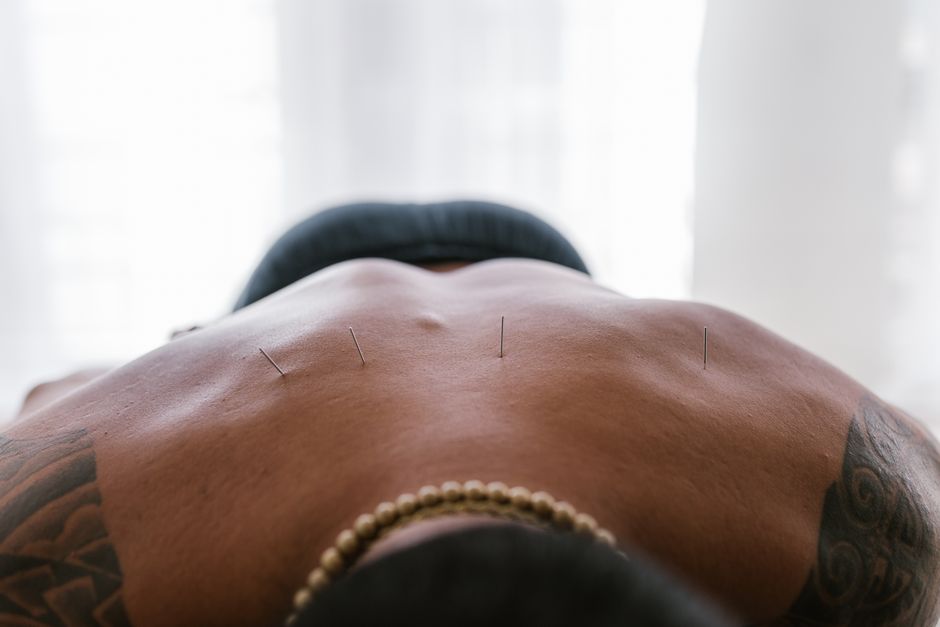
- Acupuncture — fine needles placed at specific points to regulate energy flow and relieve pain
- Chuna manual therapy — hands-on spinal and joint adjustment, similar in spirit to chiropractic care
- Cupping (buhwang) and moxibustion — suction cups and warming herbs to ease tension and improve circulation
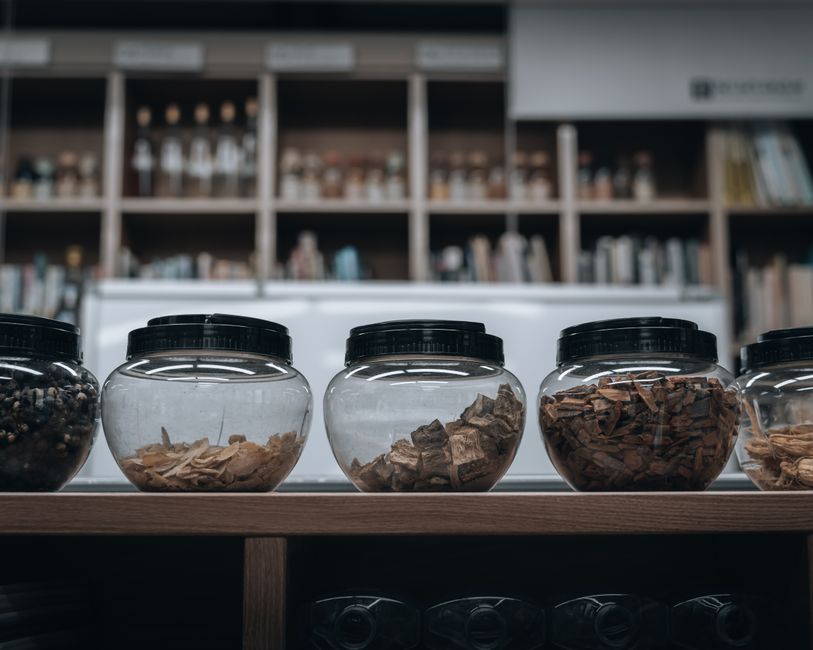
- Herbal medicine — custom decoctions blended to a patient's needs
Korea has modernised this tradition with licensed practitioners, clinical research and integration alongside conventional care. Practitioners are trained at dedicated universities, and the field sits within the regulated health system rather than on the fringe.
It is most often sought for musculoskeletal pain, stress, fatigue, digestion and general wellness. Because it is fully outpatient, non-surgical and drug-free, many international visitors combine a course of treatment with a normal travel itinerary.
Choose a foreigner-friendly clinic
Clinics in Gangnam, Myeongdong and Insadong are more likely to have English-speaking staff or English intake forms. Confirm language support and total pricing when you book, and ask whether your plan needs several sessions so you can schedule your stay accordingly.
Am I a Candidate?
Korean medicine suits a wide range of people because it is gentle and non-invasive. It is commonly chosen by those who:
- Have musculoskeletal pain — neck, shoulder, lower back, frozen shoulder or sports strains
- Are recovering from herniated discs or postural problems and want conservative, hands-on care
- Experience chronic fatigue, poor sleep, stress or digestive complaints
- Prefer a drug-free, surgery-free approach or want to complement conventional treatment
A practitioner will assess your overall constitution before recommending a plan — some clinics use Sasang constitutional medicine, which classifies people into types to tailor herbs and therapy.
It is not a substitute for emergency or acute surgical care. If you have a serious or rapidly worsening condition, a complex medication list, or are pregnant, share your full history first so the clinician can advise whether hanbang is appropriate and safe for you.
Because treatment is tailored, the practitioner may adjust your plan after the first visit based on how you respond, so it suits people open to a short series of sessions.
How the Procedure Works
A typical visit is straightforward and unhurried.
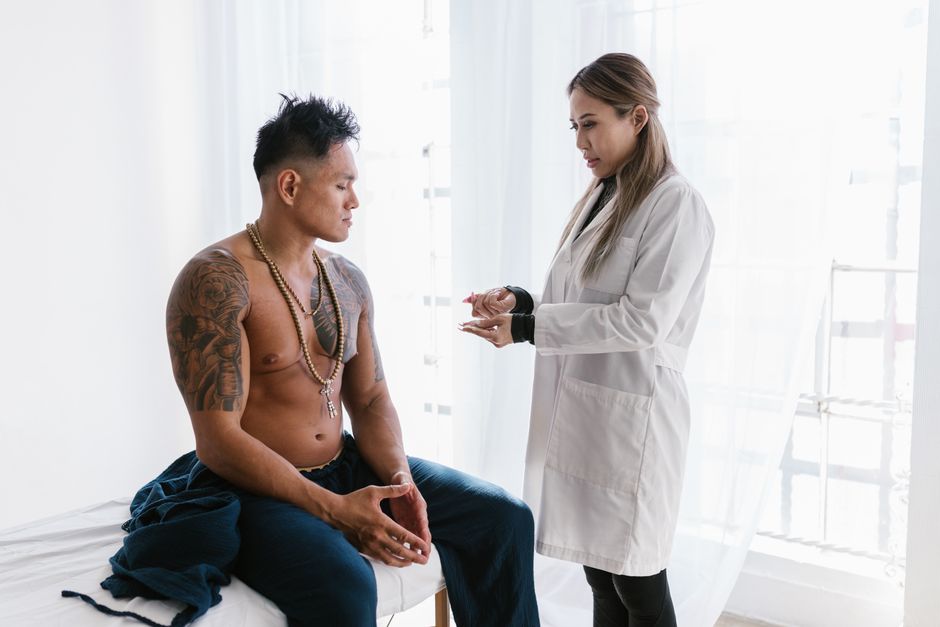
- Consultation — the practitioner reviews your symptoms and history, checks your pulse and tongue, and assesses posture or problem areas
- Diagnosis — findings guide which therapies are combined for your session
- Treatment — depending on the plan this may include acupuncture, cupping, moxibustion or Chuna adjustment
During acupuncture, thin needles are inserted and left in place for around 15–20 minutes while you rest. Sensations are usually mild — a brief prick or dull warmth.
Chuna manual therapy involves the practitioner gently pulling, pushing or aligning the spine and joints by hand.
If herbal medicine is prescribed, a custom decoction is prepared for you to take home over a set course, blended to your symptoms and constitution.
Sessions generally last 30–60 minutes, depending on how many therapies are combined. Everything is done while you are awake and comfortable, so there is no anaesthesia and no preparation such as fasting.
When the session ends you can dress, leave and resume your day immediately afterwards — there is nothing to recover from before you walk out.
Recovery Timeline
One of the main attractions of Korean medicine is that there is essentially no recovery period.
- Immediately after — you can walk out and return to normal activity; some people feel relaxed or pleasantly tired
- First 24 hours — minor, temporary effects such as small marks from cupping or slight soreness at needle sites may appear and fade quickly
- Following days — many feel the benefit build gradually, especially for pain and tension
Because it is non-surgical, there are no stitches, no wound care and no activity restrictions in most cases. Drinking water and resting on the treatment day is usually all that is advised.
For lasting results with chronic complaints, practitioners often recommend a series of sessions over one to several weeks rather than a single visit. If you are travelling specifically for a course of care, plan a stay that lets you complete the recommended schedule.
Cost
Costs vary by hospital and case. Ask the hospital for a written, itemised estimate before you decide.
Why Korea
Korea offers a rare combination — a living traditional medicine tradition delivered with modern standards and oversight.
Korean medicine is a licensed, regulated profession here, taught at dedicated universities and integrated into the wider health system rather than sitting on the fringe. The government actively promotes the country as a medical-travel destination, and Korean clinics are known for advanced facilities and competitive pricing.
For visitors, Seoul is especially convenient:
- Gangnam, Myeongdong, Insadong and Hongdae have clinics used to international patients
- Many offer English-speaking staff or English intake forms
- Treatments such as Chuna manual therapy and Sasang constitutional medicine are distinctive to the Korean tradition
This blend of authenticity, accessibility and quality is what draws people to experience hanbang at its source rather than at home. Visiting Korea also means access to the full range of therapies under one roof, often within a single clinic, rather than piecing care together from separate providers.
Key Takeaways
- Korean medicine (hanbang) is a non-surgical, outpatient tradition using acupuncture, Chuna manual therapy, cupping, moxibustion and herbal decoctions.
- Single treatments are inexpensive and there is no anaesthesia and no downtime; herbal courses are the main cost.
- Seoul's Gangnam and central tourist districts host foreigner-friendly clinics, and chronic conditions usually benefit from a series of sessions.
Frequently Asked Questions
Is Korean medicine treatment painful?
Most therapies are gentle. Acupuncture needles are very fine and usually cause only a brief prick or mild dull sensation, and Chuna manual therapy uses controlled hands-on adjustments. Some people feel minor soreness or see temporary cupping marks afterward, both of which fade quickly.
Do I need to stay overnight or take recovery time?
No. Korean medicine is fully outpatient with no anaesthesia and essentially no downtime. You can return to normal activity immediately after a session. For chronic conditions, practitioners often recommend a series of visits over one to several weeks.
Can foreigners get Korean medicine treatment in Seoul easily?
Yes. Clinics in tourist and business districts such as Gangnam, Myeongdong and Insadong are accustomed to international patients and frequently offer English-speaking staff or English intake forms. It helps to confirm language support and pricing when booking.
What conditions is Korean medicine used for?
It is most often used for musculoskeletal pain such as neck, shoulder and lower-back pain, frozen shoulder, herniated discs and sports strains, as well as stress, fatigue, sleep and digestive complaints. It is a conservative, drug-free option and not a replacement for emergency or surgical care.
Related Topics
Sources
Researching Care in Korea?
KmedTour is an information resource only. Contact hospitals directly, or find a hospital registered to treat foreign patients on the Medical Korea portal.
Quick Facts
Cost
Ask the hospital for a written estimate
Duration
14 days
Korean Hospitals
1+ Available
Hospitals offering Korean Medicine Treatment
Available Cities
Medical Information Disclaimer
The information provided on this page about Korean Medicine Treatment is for general educational and informational purposes only. It is not intended as, and should not be construed as, medical advice, diagnosis, or treatment recommendations.
Always seek the advice of a qualified healthcare professional regarding any medical condition or treatment. Never disregard professional medical advice or delay seeking it because of information found on this website. Individual treatment outcomes may vary. Costs shown are estimates and may differ based on individual circumstances.
KmedTour is an independent information platform. It is not a medical provider or a registered foreign patient attraction agency, and it does not book treatment, take payment for treatment, or receive per-patient fees from hospitals. Treatment is arranged and paid for directly between you and the hospital.