Cosmetic
Laser Skin Resurfacing in Korea
Ablative and fractional laser skin resurfacing in Seoul's Gangnam derm clinics for scars, wrinkles, and pigmentation, at a fraction of Western pricing.
Quick Answer
- Korean dermatology clinics frequently use advanced fractional laser platforms with settings calibrated for Asian skin, reducing downtime and pigmentation risk
- Expect 5–10 days of redness and peeling after a full fractional treatment; plan your Korea stay with enough recovery buffer
At a Glance
| Procedure Duration | 30–90 minutes |
|---|---|
| Anesthesia | Topical numbing cream; IV sedation for aggressive settings |
| Recovery Time | 5–10 days (fractional); up to 2–3 weeks (ablative) |
| Hospital Stay | None — outpatient |
| Results Duration | 1–2 years; cumulative improvement with a series |
Overview
Laser skin resurfacing is a dermatological procedure that uses focused beams of light to remove or remodel damaged outer skin layers and stimulate new collagen, improving texture, tone, fine lines, acne scars, and sun damage.
South Korea, and Seoul's Gangnam district in particular, has become a leading destination for this treatment because of the country's dense concentration of specialist dermatology clinics and its strong K-beauty culture around skin quality.
Clinics in Korea typically offer a wide menu of devices, allowing treatment to be matched to skin type and goals rather than relying on a single machine.
Ablative options such as fractional CO2 lasers create microscopic columns of controlled injury to drive deeper resurfacing for scars and deeper wrinkles, while erbium lasers target more superficial layers with less heat and gentler downtime.
Non-ablative and pigment-focused systems, including picosecond and laser-toning devices, address melasma, freckles, and dullness with minimal recovery.
For patients with melanin-rich skin (Fitzpatrick types IV to VI) traveling to Korea, this range matters: darker and richer skin tones carry a higher risk of pigmentation changes, so being able to select a gentler or fractionated approach and conservative settings is an important safety consideration.
Most resurfacing programs involve more than one session, and clinics commonly combine resurfacing with topical aftercare and pigment management to protect results. A proper in-person assessment of skin type, history, and goals should always precede any laser treatment.
Important
Sun exposure must be minimized for at least 4–6 weeks after fractional laser treatment. Plan travel timing and use SPF 50+ consistently throughout recovery.
Pro Tip
Fractional (not fully ablative) laser treatment delivers improvements with less downtime by treating columns of skin while leaving surrounding tissue intact.
Am I a Candidate?
Good candidates for laser skin resurfacing are generally healthy adults bothered by acne scarring, fine lines and wrinkles, uneven texture, enlarged pores, sun damage, or pigmentation such as melasma and freckles. Candidacy depends heavily on skin type.
Lighter skin tones tolerate aggressive ablative lasers more readily, while deeper and richer skin tones, common among patients with melanin-rich skin, carry a higher risk of post-inflammatory hyperpigmentation and require more conservative settings, fractionated rather than fully ablative approaches, and sometimes pre-treatment skin conditioning.
A reputable Korean clinic will assess this carefully before recommending a device.
People with active skin infections, open acne lesions in the treatment area, a recent history of isotretinoin use, a tendency to keloid or hypertrophic scarring, uncontrolled diabetes, certain autoimmune conditions, or who are pregnant or breastfeeding are usually advised to postpone or avoid resurfacing.
Realistic expectations matter: resurfacing improves skin but does not stop aging or guarantee complete scar removal, and several sessions are often needed.
Patients who cannot avoid sun exposure or commit to diligent aftercare and sun protection are poorer candidates, since unprotected skin after treatment is far more likely to develop pigmentation problems. A consultation, ideally including a remote pre-screening before travel, helps confirm suitability.
How the Procedure Works
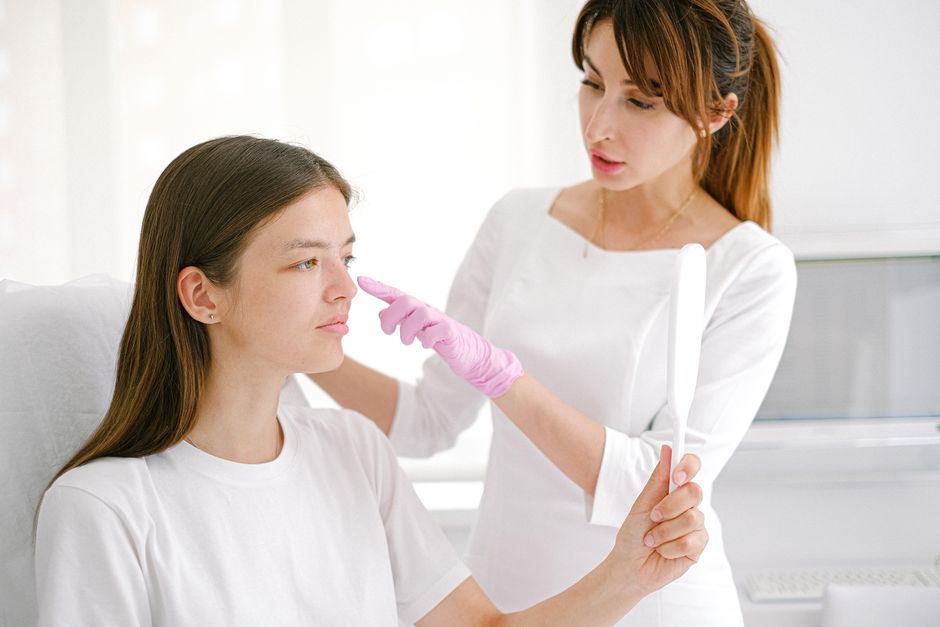
Treatment begins with a consultation in which a dermatologist examines the skin, reviews medical history and previous treatments, classifies the skin type, and selects the appropriate laser and settings. Many Korean clinics offer remote pre-consultation for international patients so a provisional plan exists before arrival.
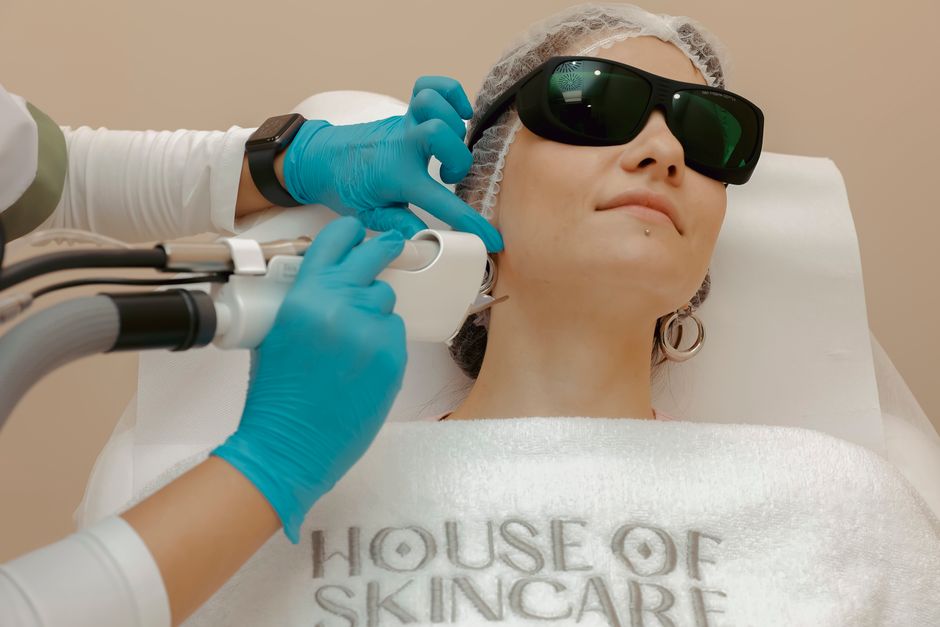
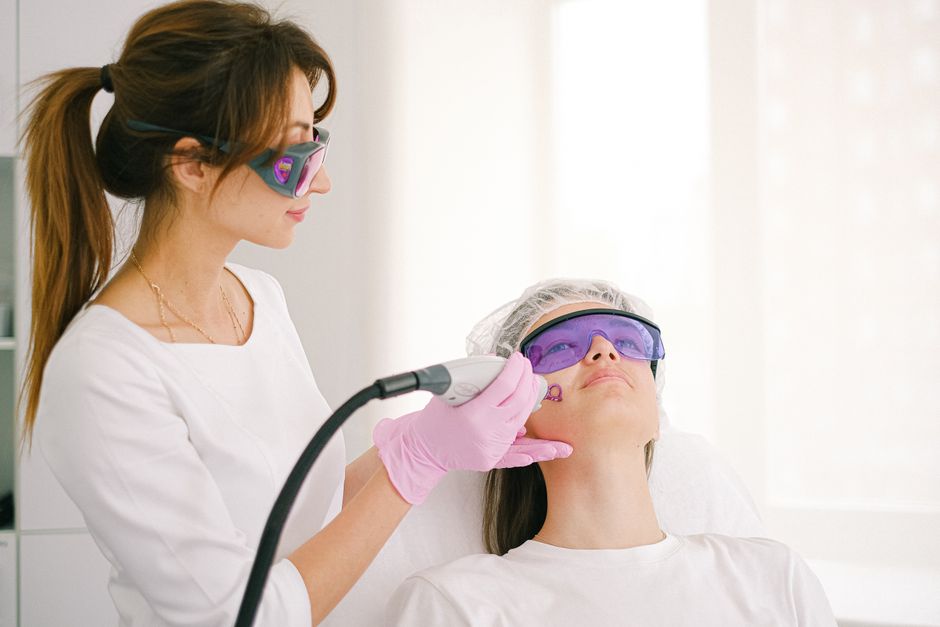
On the treatment day, the face is cleansed and a topical numbing cream is applied, usually for around thirty to sixty minutes, to reduce discomfort; deeper ablative sessions may use additional local anesthesia or cooling. Protective eyewear is worn throughout.
The clinician then passes the laser handpiece over the target areas in a controlled pattern. With fractional devices, the beam is split into microscopic columns so that untreated skin between them speeds healing.
The active treatment itself is often relatively short, commonly fifteen to forty-five minutes depending on the area and laser. Patients typically feel heat, prickling, or a snapping sensation. Immediately afterward the skin looks red, feels warm, and may show fine pinpoint marks or a sandpaper-like texture.
Soothing serums, a cooling mask, and a barrier or recovery cream are applied, and detailed aftercare instructions and products are provided. Resurfacing programs are usually staged across several sessions spaced a few weeks apart rather than completed in a single visit.
Recovery Timeline
Recovery depends on how deep and ablative the treatment was. After gentler non-ablative or toning sessions, redness may settle within a day or two with little visible downtime.
After fractional CO2 resurfacing, the skin is red, swollen, and warm for the first few days, then becomes dry and begins to flake and peel around days five to seven as the surface renews.
Re-epithelialization of the treated skin commonly completes somewhere around days eight to fourteen, after which a pink or rosy tone can persist and gradually fades over the following weeks to a few months.
Erbium-based resurfacing tends to involve less swelling and a somewhat shorter recovery, often in the range of several days to about a week.
During healing it is essential to keep the skin moisturized, avoid picking at peeling skin, skip makeup until cleared by the clinic, and apply strict broad-spectrum sun protection, since sun exposure is the leading cause of pigmentation problems after laser treatment.
This sun-protection requirement is especially important for patients with deeper skin tones. Collagen remodeling continues for months, so the final improvement in texture and scarring appears gradually rather than immediately. International patients should plan their trip so that the most visible peeling phase happens before travel home.
Cost
Costs vary by hospital and case. Ask the hospital for a written, itemised estimate before you decide.
Why Korea
South Korea has built a global reputation for dermatology and aesthetic skin care, anchored in Seoul and especially the Gangnam district, where specialist skin clinics are densely concentrated.
This is closely tied to the broader K-beauty movement, in which healthy, even-toned skin is a cultural priority and in-clinic laser treatments complement an advanced consumer skincare market.
For patients, the practical advantage is choice and experience: Korean clinics commonly operate a broad range of laser platforms, letting a dermatologist match the device to a specific skin type and concern rather than forcing one machine to fit every case.
Medical devices and clinics in Korea operate under oversight from the Ministry of Food and Drug Safety, the national regulator for medical products.
The government also actively supports inbound medical travel: the Korea Health Industry Development Institute and the official Medical Korea program promote and coordinate care for international patients, and many Seoul clinics provide English-speaking coordinators, online pre-consultations, and streamlined booking for foreign visitors.
For patients with melanin-rich skin in particular, the combination of experienced practitioners, varied technology that can be tuned conservatively for richer skin tones, transparent and competitive pricing, and established international-patient support makes Korea a credible destination. As with any cosmetic procedure, choosing a licensed clinic and a qualified dermatologist remains essential.
Key Takeaways
- Fractional laser resurfacing treats fine lines, scars, and uneven texture with less downtime than fully ablative approaches by leaving channels of untreated skin
- Korean clinics calibrate laser settings for Asian skin phototypes, which require different parameters to minimize post-inflammatory hyperpigmentation
- A series of lighter treatments often achieves better long-term results than a single aggressive session, especially for darker skin tones
Frequently Asked Questions
Which type of laser resurfacing is offered in Korea?
Korean dermatology clinics typically offer a range of devices, including ablative fractional CO2 lasers for deeper resurfacing of scars and wrinkles, erbium lasers for gentler superficial treatment, and non-ablative or pigment-focused systems such as picosecond and laser-toning devices for melasma, freckles, and dullness. The right choice depends on your skin type and goals, which a dermatologist assesses during consultation.
Is laser resurfacing safe for darker, melanin-rich skin tones?
It can be, but deeper skin tones carry a higher risk of post-inflammatory hyperpigmentation, so treatment must be approached carefully. This usually means conservative settings, fractionated rather than fully ablative lasers, possible skin conditioning beforehand, and very strict sun protection afterward. Choose a clinic experienced with a range of skin types and discuss your tone and history during the consultation.
How much does laser skin resurfacing cost in Korea?
Pricing varies by device, treated area, and clinic. Fractional resurfacing sessions commonly fall in the approximate range of 225 to 600 US dollars, while fuller or more aggressive ablative sessions can reach roughly 300 to 1,500 US dollars. Gangnam clinics tend to price higher. Because several sessions are often needed, estimate the full program cost and request an itemized quote from the clinic.
How long is the recovery and how long should I stay in Korea?
Gentler treatments may have little downtime, while fractional CO2 resurfacing involves redness and swelling for several days, then peeling around days five to seven, with the surface largely healed by roughly days eight to fourteen. Erbium treatments often heal somewhat faster. Plan your stay so the most visible peeling phase passes before you travel home, and follow all aftercare and sun-protection instructions.
How many sessions will I need?
Most resurfacing plans involve more than one session, often several spaced a few weeks apart, because results build gradually as collagen remodels over the following months. The exact number depends on your concern, the chosen laser, and how your skin responds, and your dermatologist will recommend a plan during the consultation.
Related Topics
Sources
Researching Care in Korea?
KmedTour is an information resource only. Contact hospitals directly, or find a hospital registered to treat foreign patients on the Medical Korea portal.
Quick Facts
Cost
Ask the hospital for a written estimate
Duration
5 days
Korean Hospitals
2+ Available
Hospitals offering Laser Skin Resurfacing
Medical Information Disclaimer
The information provided on this page about Laser Skin Resurfacing is for general educational and informational purposes only. It is not intended as, and should not be construed as, medical advice, diagnosis, or treatment recommendations.
Always seek the advice of a qualified healthcare professional regarding any medical condition or treatment. Never disregard professional medical advice or delay seeking it because of information found on this website. Individual treatment outcomes may vary. Costs shown are estimates and may differ based on individual circumstances.
KmedTour is an independent information platform. It is not a medical provider or a registered foreign patient attraction agency, and it does not book treatment, take payment for treatment, or receive per-patient fees from hospitals. Treatment is arranged and paid for directly between you and the hospital.