Oncology
Lung Cancer Surgery in Korea
Minimally invasive lung cancer surgery (VATS and robotic lobectomy) in Seoul, with international patient coordination and transparent USD pricing.
Quick Answer
- Lung cancer surgery in Korea most often means VATS or robotic-assisted lobectomy, removing the affected lobe through small chest incisions rather than open thoracotomy.
- Surgery is generally offered for early-stage non-small cell lung cancer (roughly stages I–II) without distant spread, confirmed by imaging and biopsy.
- Most international patients should plan for a hospital stay of around 4–6 days and 2–4 weeks in Korea for evaluation, surgery, and early follow-up.
At a Glance
| Procedure time | Approximately 2–4 hours, depending on resection extent and approach |
|---|---|
| Anesthesia | General anesthesia |
| Hospital stay | About 4–6 days (often shorter with minimally invasive surgery) |
| Recommended stay in Korea | Around 2–4 weeks for workup, surgery, and initial recovery |
| Recovery | Most energy and breathing return within 2–3 weeks; fuller recovery over several weeks |
Overview
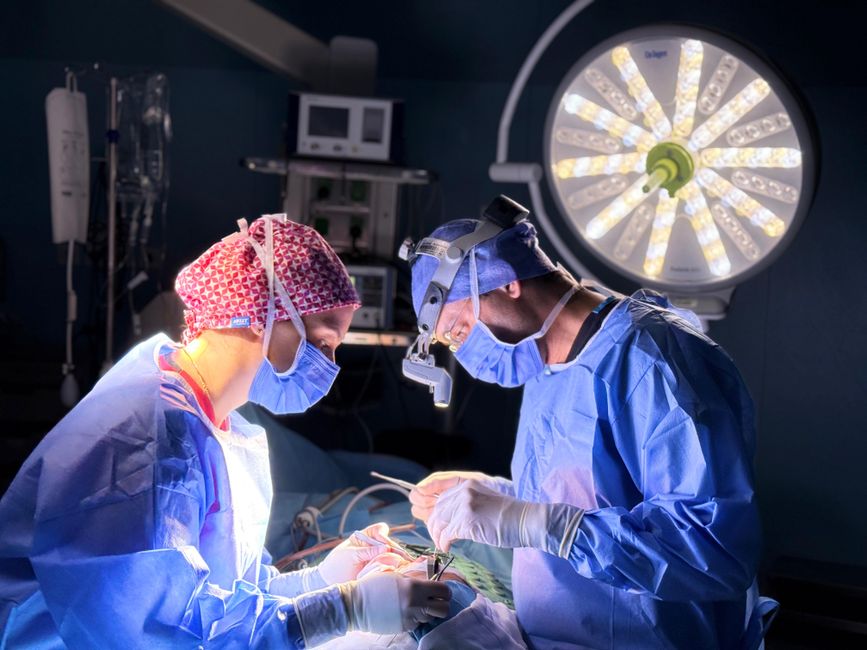
Lung cancer surgery removes cancerous tissue from the lung, most commonly through a lobectomy that takes out the lobe containing the tumor. In Korea, this is frequently done with video-assisted thoracoscopic surgery (VATS) or robotic-assisted surgery, both of which use small incisions instead of a large open chest opening.
Minimally invasive approaches are associated with less postoperative pain, shorter hospital stays, fewer complications, and faster physical recovery compared with traditional open thoracotomy. Robotic systems add three-dimensional vision and articulated instruments that can help in narrow chest spaces.
Depending on tumor size, location, and your lung function, surgeons may instead perform a smaller segmentectomy or wedge resection to preserve more healthy lung tissue. The right operation is chosen by a thoracic surgical team after staging.
Seoul's major teaching hospitals offer these techniques alongside dedicated international patient support, including interpretation and travel coordination, so overseas patients can be guided from diagnosis through follow-up.
Bring your scans and pathology
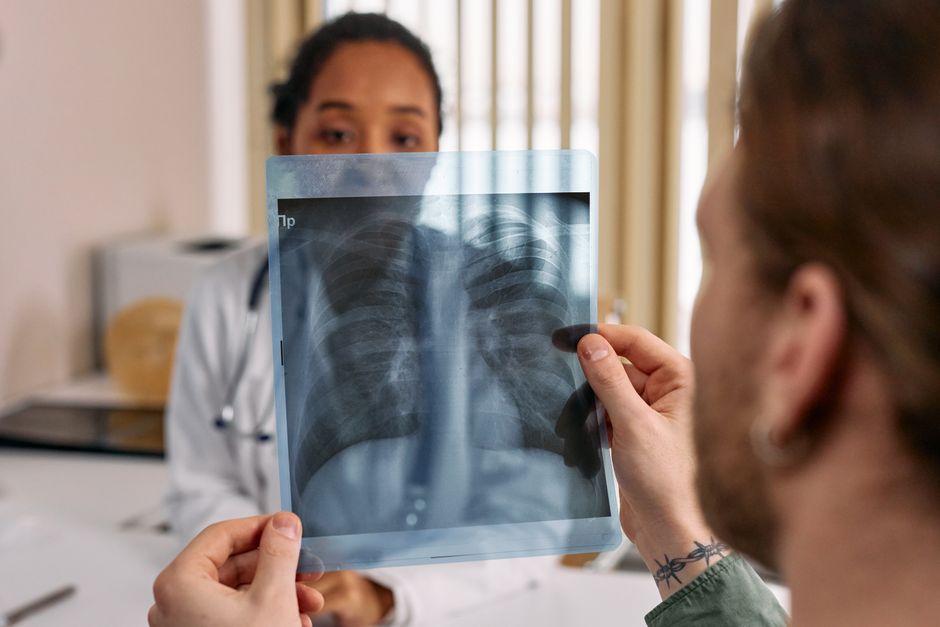
Carrying your recent CT or PET images and any biopsy results lets the Korean thoracic team confirm staging quickly and reduce repeat tests, which can shorten your time in Korea.
Am I a Candidate?
Surgery is usually considered for people with early-stage non-small cell lung cancer (NSCLC), broadly stages I and II, where the tumor is confined to the lung without distant metastasis. Your suitability is confirmed with imaging, biopsy, and tests of heart and lung function.
You may be a candidate if:
- You have an early-stage tumor without regional lymph node spread or distant metastasis
- Your lung function and overall fitness are adequate to tolerate removing lung tissue
- Staging scans confirm the disease is localized and operable
A smaller segmentectomy or wedge resection may be preferred when lung function is limited or the tumor is small and peripheral. Lobectomy remains the standard for many early tumors, while sublobar resection preserves more lung in selected cases.
Surgery may not be appropriate for advanced or widely spread disease, where chemotherapy, radiotherapy, targeted therapy, or immunotherapy may take priority. A multidisciplinary team reviews each case before recommending an operation.
How the Procedure Works
Before surgery you complete a workup including CT and PET imaging, pulmonary function testing, blood work, and an anesthesia review. The surgical team confirms the cancer stage and plans the resection extent.
On the day of surgery the main steps are typically:
- General anesthesia is given, and the lung on the operative side is temporarily deflated to give the surgeon room to work.
- For VATS, a few small incisions are made between the ribs; a camera and instruments are passed through to reach the lung.
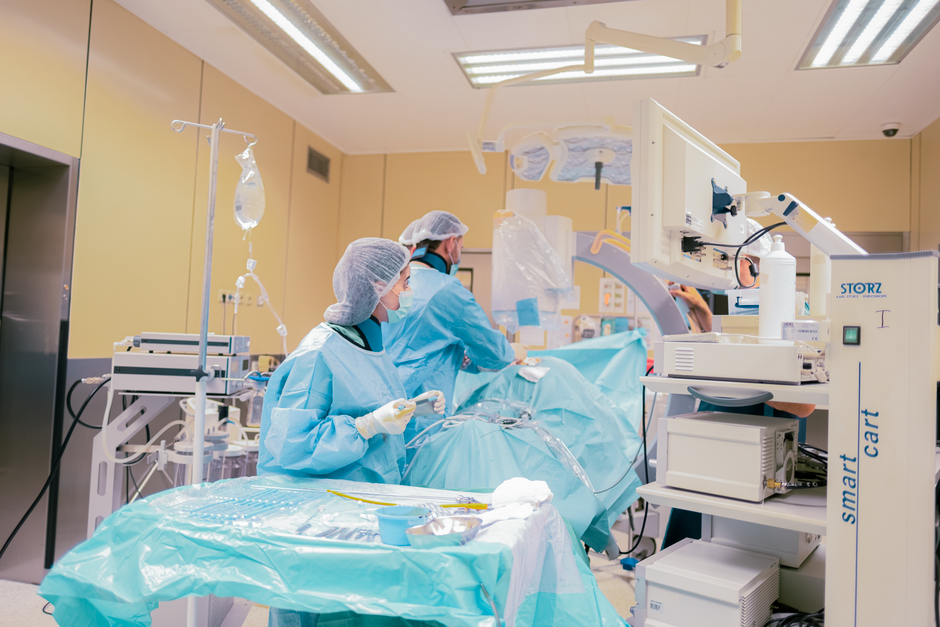
- For robotic surgery, instruments are controlled from a console that translates the surgeon's hand movements with added precision and 3D vision.
- The affected lobe, segment, or wedge is removed, and nearby lymph nodes are commonly sampled for staging.
- One or more chest drains are placed to remove air and fluid, and the small incisions are closed.
The operation usually takes a few hours. You wake in a recovery area and are monitored closely as your lung re-expands and the drains do their work.
Recovery Timeline
Recovery is generally faster after minimally invasive surgery than after open thoracotomy, though it still takes weeks to feel fully back to normal. Chest drains are removed once air leakage and fluid drainage settle.
- Days 1–2: Monitored recovery, early breathing exercises, and gentle walking to help the lung re-expand and prevent complications.
- Around days 4–6: Many patients are discharged once drains are out, pain is controlled, and breathing is stable.
- Weeks 2–3: Most people regain much of their breathing, energy, and strength; light daily activity resumes.
- Beyond 3 weeks: Gradual return to fuller activity, with breathing exercises and any recommended rehabilitation continuing.
International patients are usually advised to stay in Korea for a few weeks so the team can remove drains, review pathology, check wound healing, and plan any further treatment such as chemotherapy. Avoid flying until your surgical team confirms it is safe.
Cost
Costs vary by hospital and case. Ask the hospital for a written, itemised estimate before you decide.
Why Korea
Korea has become a leading destination for cancer care, with strong outcomes and a rapidly growing international patient base. According to the Korea Health Industry Development Institute (KHIDI), foreign patient visits passed one million for the first time in 2024.
Seoul's hospitals, including major centers in the Gangnam district, offer advanced minimally invasive thoracic surgery such as VATS and robotic lobectomy. Medical devices and standards are regulated by the Ministry of Food and Drug Safety (MFDS).
KHIDI runs the Medical Korea brand and operates medical tourism support centers, including one at Incheon International Airport, to help foreign patients with consultations and coordination. Korean law also requires hospitals attracting international patients to be registered, adding a layer of patient protection.
For international patients, the combination of experienced thoracic surgical teams, modern technology, organized international patient services, and prices that are often lower than in Western countries makes Korea a practical option for lung cancer surgery.
Key Takeaways
- Korea offers minimally invasive lung cancer surgery (VATS and robotic lobectomy), typically for early-stage NSCLC, with shorter recovery than open surgery.
- Plan for around 2–4 weeks in Korea covering workup, surgery, drain removal, and pathology review before traveling home.
- Choose a KHIDI- or Ministry of Health-registered hospital with dedicated international patient services for safer, smoother coordination.
Frequently Asked Questions
Is lung cancer surgery in Korea minimally invasive?
Often yes. Korean thoracic teams frequently use VATS or robotic-assisted surgery, which work through small incisions and are generally linked to less pain and faster recovery than open thoracotomy. The chosen approach depends on your tumor and lung function.
How much does lung cancer surgery cost in Korea?
Final cost depends on resection extent, hospital stay, and the hospital, so request a written quote.
How long should I stay in Korea for lung cancer surgery?
Most international patients plan for around 2–4 weeks. This covers preoperative workup, the operation, a hospital stay of roughly 4–6 days, drain removal, pathology review, and early follow-up before clearance to fly home.
Who is a candidate for lung cancer surgery?
Surgery is usually considered for early-stage non-small cell lung cancer confined to the lung, in patients with adequate lung and heart function. Staging scans and tests confirm suitability; advanced disease may instead be treated with other therapies.
How long is recovery after lung cancer surgery?
After minimally invasive surgery, many patients regain much of their breathing, energy, and strength within 2–3 weeks, with fuller recovery over the following weeks. Your surgical team will advise when it is safe to fly and resume normal activity.
Related Topics
Sources
Researching Care in Korea?
KmedTour is an information resource only. Contact hospitals directly, or find a hospital registered to treat foreign patients on the Medical Korea portal.
Quick Facts
Cost
Ask the hospital for a written estimate
Duration
14 days
Korean Hospitals
2+ Available
Hospitals offering Lung Cancer Surgery
Available Cities
Medical Information Disclaimer
The information provided on this page about Lung Cancer Surgery is for general educational and informational purposes only. It is not intended as, and should not be construed as, medical advice, diagnosis, or treatment recommendations.
Always seek the advice of a qualified healthcare professional regarding any medical condition or treatment. Never disregard professional medical advice or delay seeking it because of information found on this website. Individual treatment outcomes may vary. Costs shown are estimates and may differ based on individual circumstances.
KmedTour is an independent information platform. It is not a medical provider or a registered foreign patient attraction agency, and it does not book treatment, take payment for treatment, or receive per-patient fees from hospitals. Treatment is arranged and paid for directly between you and the hospital.