ENT
Septoplasty in Korea
Septoplasty in South Korea straightens a deviated nasal septum to restore clear breathing, performed by Seoul and Gangnam ENT and rhinoplasty specialists.
Quick Answer
- Septoplasty is a functional nose surgery that straightens a crooked nasal septum so air flows freely through both nostrils — it treats breathing, not appearance.
- In Korea the procedure typically takes about 30 to 60 minutes and is usually done as day surgery, with no overnight hospital stay for a standalone septoplasty.
- International patients should plan about 10 to 14 days in Korea to allow pre-op testing, surgery, splint removal, and clearance to fly home.
At a Glance
| Procedure time | Approximately 30–60 minutes for a standalone septoplasty |
|---|---|
| Anesthesia | General anesthesia, or deep sedation combined with local anesthesia |
| Hospital stay | Usually outpatient (same-day discharge) |
| Recommended stay in Korea | About 10–14 days for international patients |
| Recovery | Back to light routine in about 1 week; full internal healing over several months |
Overview
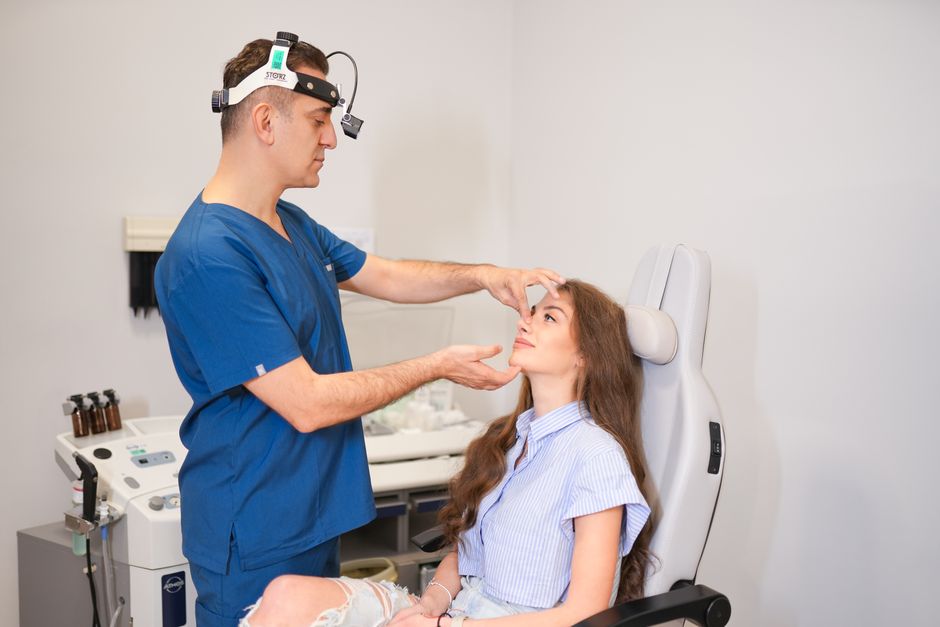
Septoplasty is a surgical procedure that straightens the nasal septum — the wall of cartilage and bone dividing the two nostrils. When this wall is bent or displaced (a deviated septum), one or both airways narrow, causing blocked breathing, snoring, disturbed sleep, and recurrent congestion.
Unlike cosmetic rhinoplasty, septoplasty is a functional operation: the goal is clearer airflow, not a changed nose shape. The surgeon works entirely through the nostrils, with no external incisions in most cases.
In Korea, septoplasty is offered both at large multidisciplinary hospitals and at specialized ENT and rhinoplasty clinics, many concentrated in the Gangnam district of Seoul. Where a patient also wants the external nose reshaped, surgeons may combine the two into a single septorhinoplasty, which addresses breathing and appearance together.
Knowing the difference matters: a pure septoplasty has a shorter, simpler recovery than a combined procedure.
Know which surgery you need
Ask your surgeon to clearly distinguish a pure septoplasty (breathing only) from a septorhinoplasty (breathing plus appearance). The combined procedure costs more and has a longer recovery, so confirming your goals up front avoids surprises.
Don't book your flight home too early
Surgeons commonly clear patients to fly only around 10 days after surgery, and internal splints are usually removed at days 5 to 7. Plan roughly 10 to 14 days in Korea so splint removal and flight clearance happen before you travel.
Am I a Candidate?
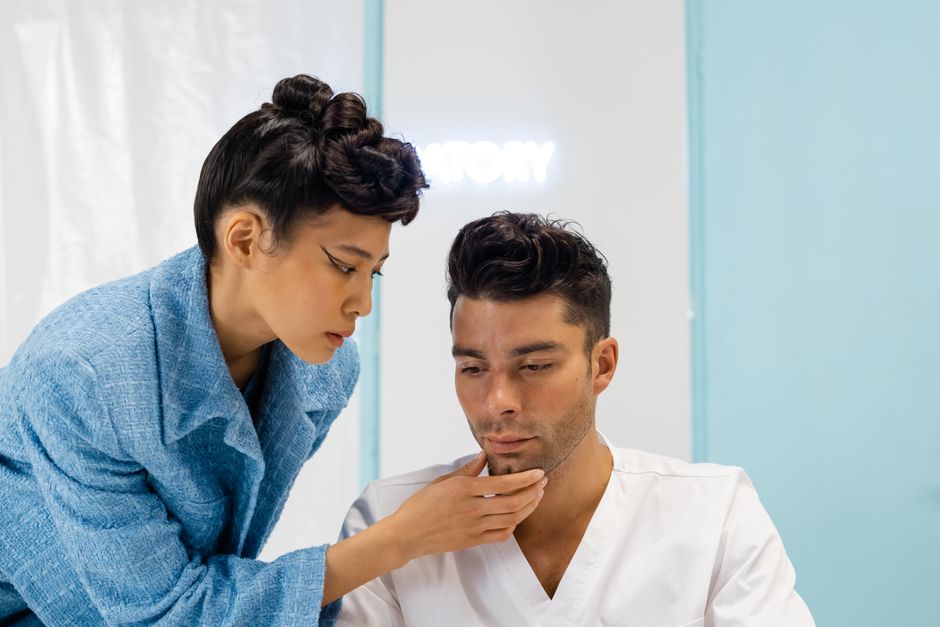
Septoplasty is generally considered for people whose symptoms come from a structurally deviated septum rather than from temporary swelling or allergies alone. A consultation with an ENT specialist — often including nasal endoscopy and imaging — confirms the cause.
You may be a candidate if you experience:
- Persistent blocked breathing through one or both nostrils
- Snoring or disrupted sleep linked to nasal obstruction
- Recurrent sinus infections or nasal crusting
- Nosebleeds from a dried, exposed septal surface
Surgery is usually deferred until facial growth is complete, so it is more common in adults than young children.
Good candidates are in stable general health and able to remain in Korea for follow-up and splint removal before flying. Patients with bleeding disorders, uncontrolled medical conditions, or active nasal infection may need treatment or clearance first.
If appearance is also a concern, the surgeon can discuss whether a combined septorhinoplasty better fits your goals.
How the Procedure Works
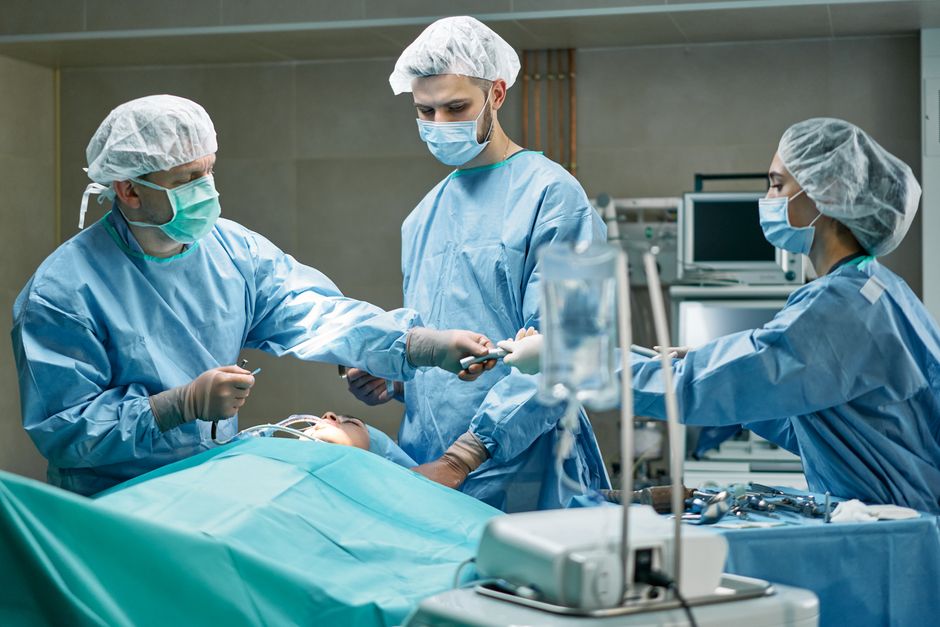
Septoplasty is performed through the nostrils, so there are typically no visible external cuts. A standalone procedure usually takes about 30 to 60 minutes.
The general sequence is:
- Anesthesia — general anesthesia, or deep sedation combined with local anesthesia, is administered for comfort.
- Access — the surgeon lifts the lining (mucosa) off the septum to expose the deviated cartilage and bone, often guided by an endoscope.
- Correction — bent portions of cartilage and bone are trimmed, reshaped, or repositioned to straighten the airway.
- Turbinate work (if needed) — enlarged turbinates may be reduced in the same session to further open breathing.
- Closure and support — the lining is laid back and secured with dissolvable sutures; thin internal splints are often placed to hold the septum aligned while it heals.
Most patients go home the same day once the anesthesia wears off.
Recovery Timeline
Septoplasty recovery is generally smoother than cosmetic nose surgery because the external nose is untouched. Healing unfolds in phases:
- Days 1–3 — expect congestion, mild discomfort, and possible light oozing; breathing feels blocked while splints and swelling are present.
- Around days 5–7 — internal splints are typically removed at a follow-up visit, and breathing begins to open up.
- Around 1 week — many people return to light work or daily activities.
- Around 10 days — surgeons commonly clear patients for air travel after this point.
- Weeks to months — strenuous exercise is avoided for several weeks, and the deeper internal tissues continue settling over several months.
Follow your surgeon's specific aftercare instructions on saline rinses, avoiding nose-blowing, and activity limits. For international patients, the 10–14 day in-Korea window is designed to cover splint removal and flight clearance before departure.

Cost
Costs vary by hospital and case. Ask the hospital for a written, itemised estimate before you decide.
Why Korea
South Korea is one of the world's most established destinations for nasal surgery, with deep expertise spanning both functional ENT care and cosmetic rhinoplasty. This dual strength means surgeons are well practiced in straightening the septum and, when desired, refining the nose's shape in the same operation.
Seoul — and the Gangnam district in particular — hosts a dense cluster of specialized clinics alongside large multidisciplinary hospitals, giving patients a wide choice of providers.
Korea's healthcare framework adds further assurance:
- The Ministry of Food and Drug Safety (MFDS) regulates medical devices and pharmaceuticals.
- KHIDI and the Medical Korea program support and promote the country's international healthcare services.
Many clinics operate dedicated international patient services with multilingual coordinators, helping with scheduling, interpretation, and aftercare logistics. For patients from Southeast Asia, the Middle East, Africa and beyond, this combination of surgical depth, regulatory oversight, and structured patient support makes Korea a strong option for treating a deviated septum.
Key Takeaways
- Septoplasty is a functional, day-surgery procedure done through the nostrils to straighten a deviated septum and restore clear breathing — not to change the nose's shape.
Frequently Asked Questions
What is the difference between septoplasty and septorhinoplasty in Korea?
Septoplasty straightens only the internal septum to improve breathing and does not change the nose's outward shape. Septorhinoplasty combines that functional correction with cosmetic reshaping of the external nose. Because the outside of the nose is operated on, septorhinoplasty costs more and follows the longer rhinoplasty recovery timeline.
How long should I stay in Korea for septoplasty?
International patients are generally advised to plan about 10 to 14 days in Korea. This covers pre-operative testing, the procedure, removal of internal splints around days 5 to 7, and the surgeon's clearance to fly, which commonly comes around 10 days after surgery.
How much does septoplasty cost in South Korea?
Combined septorhinoplasty costs more. Always confirm what anesthesia, follow-ups, and aftercare are included in the quoted package.
Is septoplasty painful, and what is recovery like?
Most patients report mild to moderate discomfort rather than severe pain, managed with prescribed medication. Congestion is common in the first several days while splints and swelling are present. Many people return to light activity within about a week, while deeper internal healing continues over several months.
Will septoplasty change how my nose looks?
A standalone septoplasty works inside the nose and is not intended to alter its external appearance. If you also want to change the shape of your nose, the surgeon can discuss combining it with cosmetic rhinoplasty as a single septorhinoplasty procedure.
Related Topics
Sources
Researching Care in Korea?
KmedTour is an information resource only. Contact hospitals directly, or find a hospital registered to treat foreign patients on the Medical Korea portal.
Quick Facts
Cost
Ask the hospital for a written estimate
Duration
5 days
Korean Hospitals
2+ Available
Hospitals offering Septoplasty
Available Cities
Medical Information Disclaimer
The information provided on this page about Septoplasty is for general educational and informational purposes only. It is not intended as, and should not be construed as, medical advice, diagnosis, or treatment recommendations.
Always seek the advice of a qualified healthcare professional regarding any medical condition or treatment. Never disregard professional medical advice or delay seeking it because of information found on this website. Individual treatment outcomes may vary. Costs shown are estimates and may differ based on individual circumstances.
KmedTour is an independent information platform. It is not a medical provider or a registered foreign patient attraction agency, and it does not book treatment, take payment for treatment, or receive per-patient fees from hospitals. Treatment is arranged and paid for directly between you and the hospital.