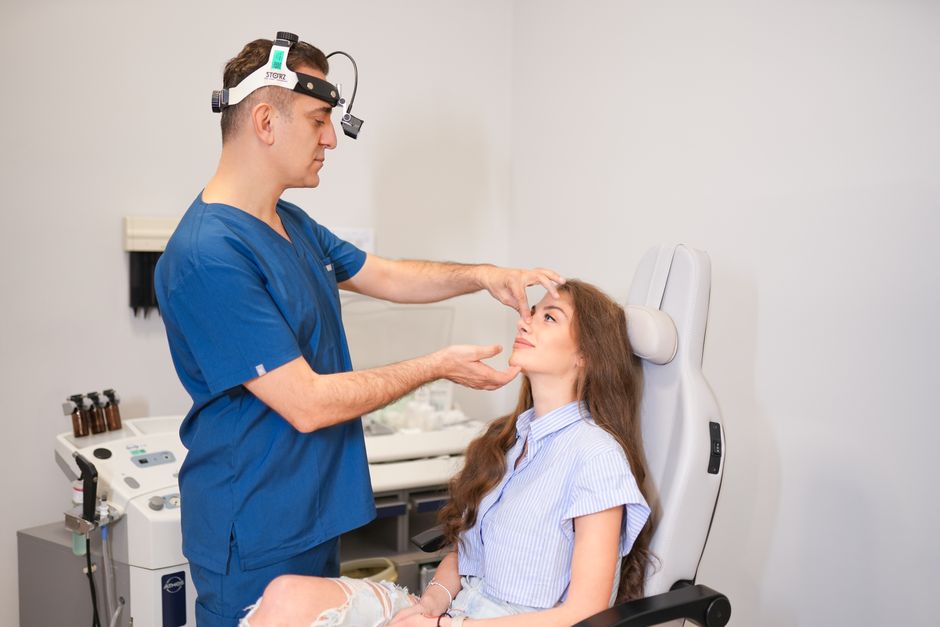
ENT
Sinus Surgery in Korea
Endoscopic sinus surgery (FESS) and balloon sinuplasty in South Korea for chronic sinusitis, nasal polyps and recurrent infections.
Quick Answer
- Functional endoscopic sinus surgery (FESS) opens blocked sinus drainage pathways through the nostrils with a thin camera — no external incisions or facial scars.
- Korea is a strong destination for chronic sinusitis and nasal polyp surgery, with most ENT activity concentrated in Seoul's Gangnam medical district.
- polypectomy or septoplasty combined).
- Most patients plan a stay of about 7–10 days in Korea to cover consultation, surgery and an early follow-up before flying home.
At a Glance
| Procedure time | About 1–3 hours, depending on how many sinuses are involved |
|---|---|
| Anesthesia | General anesthesia (balloon sinuplasty may use local/sedation) |
| Hospital stay | Day-case to 1 night for most FESS cases |
| Recommended stay in Korea | About 7–10 days, including consultation and follow-up |
| Recovery | Back to light activity in days; full healing over several weeks |
Overview
Sinus surgery treats chronic rhinosinusitis, recurrent sinus infections, nasal polyps and structural blockages that do not improve with medication, sprays or rinses.
The standard modern approach is functional endoscopic sinus surgery (FESS). A surgeon passes a thin endoscope through the nostrils and removes diseased tissue or bone that blocks the natural sinus drainage openings. There are no external cuts.
A gentler option for some patients is balloon sinuplasty, where a small balloon is inflated to widen a sinus opening without removing much tissue.
In South Korea these procedures are performed by ENT (otolaryngology) specialists, often within hospitals that run dedicated international patient departments.
Surgery is frequently combined with septoplasty (straightening a deviated septum) or turbinate reduction when a structural problem also contributes to blocked breathing.
Bring your CT scan and medication list
Sharing a recent sinus CT, your symptom history and current medications before you travel lets a Korean ENT clinic confirm whether surgery is appropriate and give an accurate quote, avoiding a wasted trip.
Plan around the follow-up before flying
FESS needs at least one in-person nasal cleaning and check after surgery. Book your return flight only after your surgeon clears you, and avoid air travel, heavy exertion and swimming until advised.
Am I a Candidate?
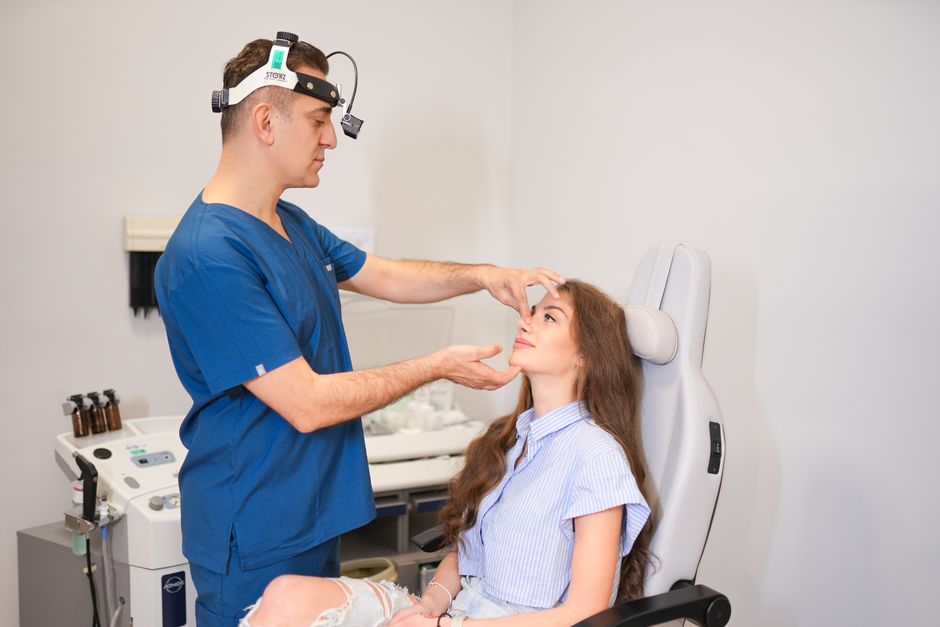
Sinus surgery is usually considered only after medical treatment has been tried. You may be a candidate if you have:
- Chronic sinusitis lasting more than about 12 weeks despite sprays, rinses and antibiotics
- Nasal polyps blocking airflow or drainage
- Recurrent acute sinus infections through the year
- A deviated septum or anatomical narrowing limiting drainage
- Sinus cysts, fungal sinusitis or mucus retention problems
A proper diagnosis typically needs nasal endoscopy and a CT scan of the sinuses, which a Korean ENT clinic can arrange during the work-up.
Surgery may not be advised if symptoms are mild, mostly allergy-driven and controllable with medication, or if you have health conditions that make general anesthesia unsafe. Share your full history, scans and medication list before travelling so the clinic can confirm suitability remotely.
How the Procedure Works
A typical FESS pathway in Korea looks like this:
- Consultation and imaging — nasal endoscopy plus a sinus CT to map which sinuses are affected
- Anesthesia — general anesthesia for FESS; balloon sinuplasty may use local anesthesia with sedation
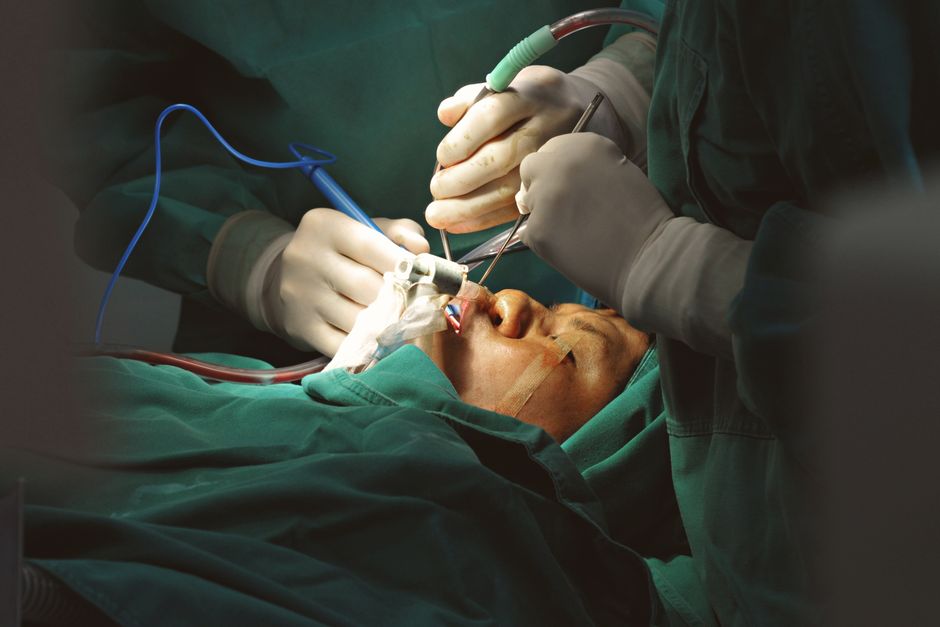
- Endoscopic access — the surgeon works entirely through the nostrils using a camera and fine instruments
- Clearing the blockage — diseased tissue, polyps or small pieces of bone are removed to open the natural drainage channels
- Optional add-ons — septoplasty or turbinate reduction if structural narrowing is present
- Finishing — dissolvable packing or a soft splint may be placed inside the nose
The operation usually takes 1–3 hours. Many patients go home the same day or after a single overnight stay, then attend a follow-up visit so the surgeon can clean the nasal cavity and check healing.
Recovery Timeline
Recovery varies with the extent of surgery, but a common pattern is:
- Days 1–3 — nasal congestion, mild discomfort and some blood-tinged drainage; rest and avoid nose-blowing
- Week 1 — a follow-up visit for nasal cleaning; most desk-type activity can resume
- Weeks 2–4 — swelling settles and breathing steadily improves; saline rinses continue
- Weeks 4–8+ — the sinus lining fully heals; crusting resolves and the airway opens up
Balloon sinuplasty generally recovers faster, often within a day or two, because little tissue is removed.
Avoid heavy lifting, strenuous exercise, swimming and air travel for the period your surgeon advises. Follow the saline-rinse and medication routine closely — diligent aftercare strongly influences the final breathing result. Plan your flight home only after your surgeon clears you at the early follow-up.
Cost
Costs vary by hospital and case. Ask the hospital for a written, itemised estimate before you decide.
Why Korea
South Korea has built a large, government-supported medical tourism sector. The Korea Health Industry Development Institute (KHIDI) and the Medical Korea program promote inbound care and maintain a registry of clinics licensed to treat foreign patients.
Legitimate facilities hold a Ministry of Health and Welfare Certificate of Registration for Foreign Patient Attraction — a useful check when choosing where to go.
Most ENT and surgical activity clusters in Seoul, especially the Gangnam district, where many hospitals run international patient departments with English-language coordination and interpretation.
Korean medical products and devices are regulated by the Ministry of Food and Drug Safety (MFDS).
For visitors, the draw is concentrated specialist expertise, modern endoscopic equipment, transparent package pricing and strong logistical support for the consultation-to-follow-up journey — all reasons to confirm credentials before you commit.
Key Takeaways
- FESS opens blocked sinus drainage pathways through the nostrils with no external scars; balloon sinuplasty is a gentler option for some patients.
- Korea's ENT care concentrates in Seoul's Gangnam area, supported by KHIDI, the Medical Korea program and clinics registered to treat foreign patients.
Frequently Asked Questions
Is endoscopic sinus surgery painful?
FESS is done under general anesthesia, so you feel nothing during surgery. Afterward most people report congestion and mild discomfort rather than severe pain, usually managed with prescribed or over-the-counter medication. Balloon sinuplasty tends to involve even less discomfort.
How long should I stay in Korea for sinus surgery?
A stay of about 7–10 days is typical. This allows time for consultation, a sinus CT, the surgery itself, and at least one post-operative visit where the surgeon cleans the nasal cavity and confirms you are safe to fly home.
Will sinus surgery leave a scar on my face?
No. Both FESS and balloon sinuplasty are performed entirely through the nostrils using an endoscope, so there are no external incisions and no visible facial scars.
What is the difference between FESS and balloon sinuplasty?
FESS removes diseased tissue, polyps or bone to open the sinus drainage pathways and suits more extensive disease. Balloon sinuplasty simply widens a sinus opening with an inflated balloon, removes little tissue, and generally allows a faster recovery, but it is not suitable for every case.
How do I choose a reputable ENT clinic in Korea?
Look for a facility registered with the Ministry of Health and Welfare to treat foreign patients, ideally one with an international patient department. KHIDI and the Medical Korea program list registered institutions, and many established clinics are in Seoul's Gangnam district.
Does sinus surgery cure chronic sinusitis permanently?
Surgery aims to improve drainage and relieve symptoms, and many people experience lasting improvement. However, conditions like allergies or polyps can recur, so ongoing care such as saline rinses and medication is often still needed. No procedure can guarantee a permanent cure.
Related Topics
Sources
Researching Care in Korea?
KmedTour is an information resource only. Contact hospitals directly, or find a hospital registered to treat foreign patients on the Medical Korea portal.
Quick Facts
Cost
Ask the hospital for a written estimate
Duration
5 days
Korean Hospitals
2+ Available
Hospitals offering Sinus Surgery
Available Cities
Medical Information Disclaimer
The information provided on this page about Sinus Surgery is for general educational and informational purposes only. It is not intended as, and should not be construed as, medical advice, diagnosis, or treatment recommendations.
Always seek the advice of a qualified healthcare professional regarding any medical condition or treatment. Never disregard professional medical advice or delay seeking it because of information found on this website. Individual treatment outcomes may vary. Costs shown are estimates and may differ based on individual circumstances.
KmedTour is an independent information platform. It is not a medical provider or a registered foreign patient attraction agency, and it does not book treatment, take payment for treatment, or receive per-patient fees from hospitals. Treatment is arranged and paid for directly between you and the hospital.